Things to do
Rio de Janeiro museums
The museums and historic interiors worth a visit, especially downtown and in the Port Zone.
Updated on October 7, 2026 ✓ Information verified on October 6, 2026 adapted version of the Portuguese original
Rio has museums and historic interiors that deserve at least a day, especially if it rains.
Port Zone
- Museum of Tomorrow: science and the future of the planet, in Santiago Calatrava’s building.
- On the same Praça Mauá is the Rio Art Museum (MAR), and on the Olympic Boulevard, the Etnias mural.
Downtown
- Royal Portuguese Reading Room: the hall lined with shelves up to the ceiling.
- Municipal Theater: a guided tour or a performance.
- National Museum of Fine Arts and National Library: in Cinelândia, next to the theater.
Others
- The Maracanã offers guided tours.
- The Botanical Garden has collections and greenhouses.
Plan a full day with historic downtown on foot.
Places mentioned
-
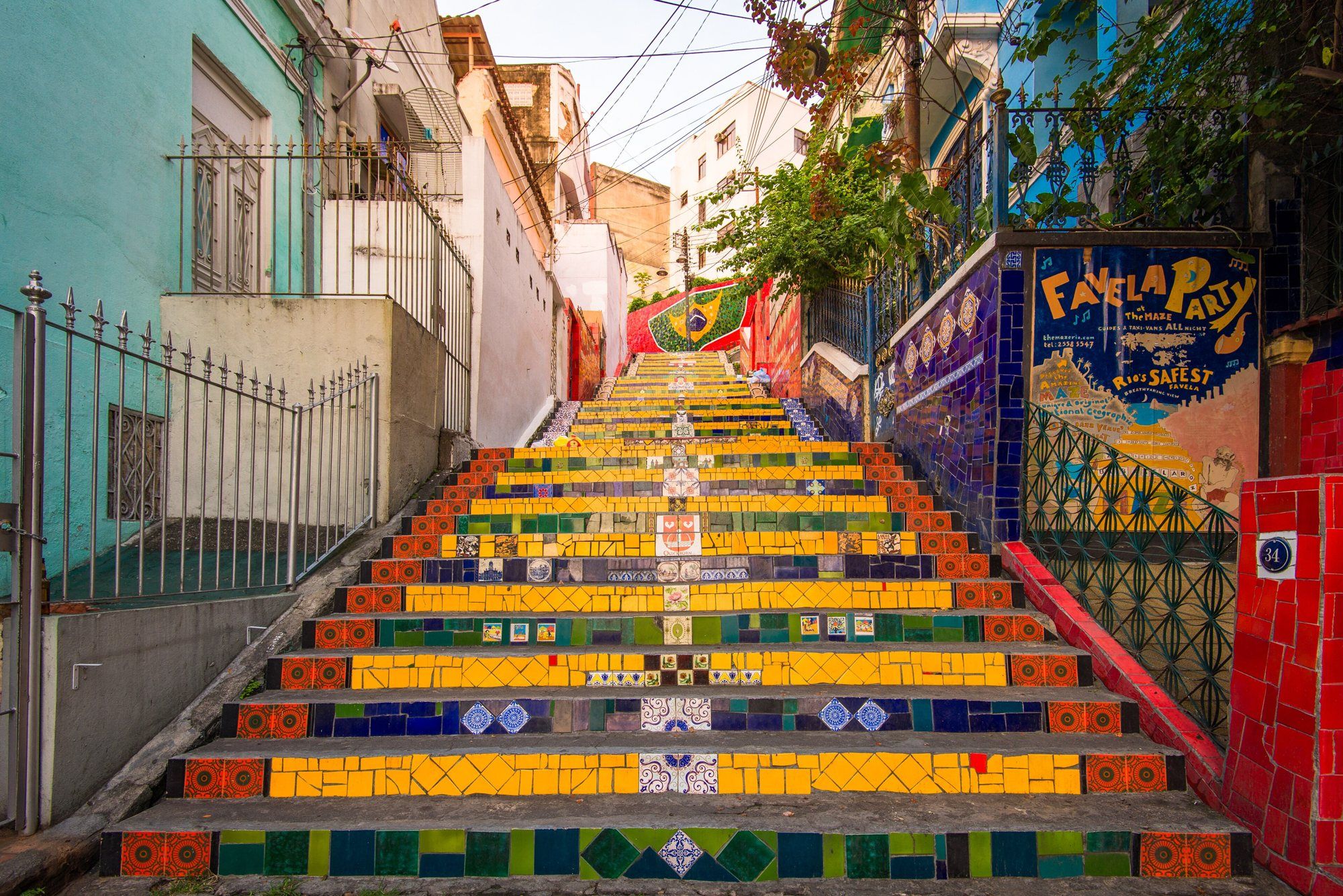 Free accessKids Downtown and Lapa Selarón Steps The staircase covered in colorful tiles between Lapa and Santa Teresa, the work of Chilean artist Jorge Selarón. See details
 -
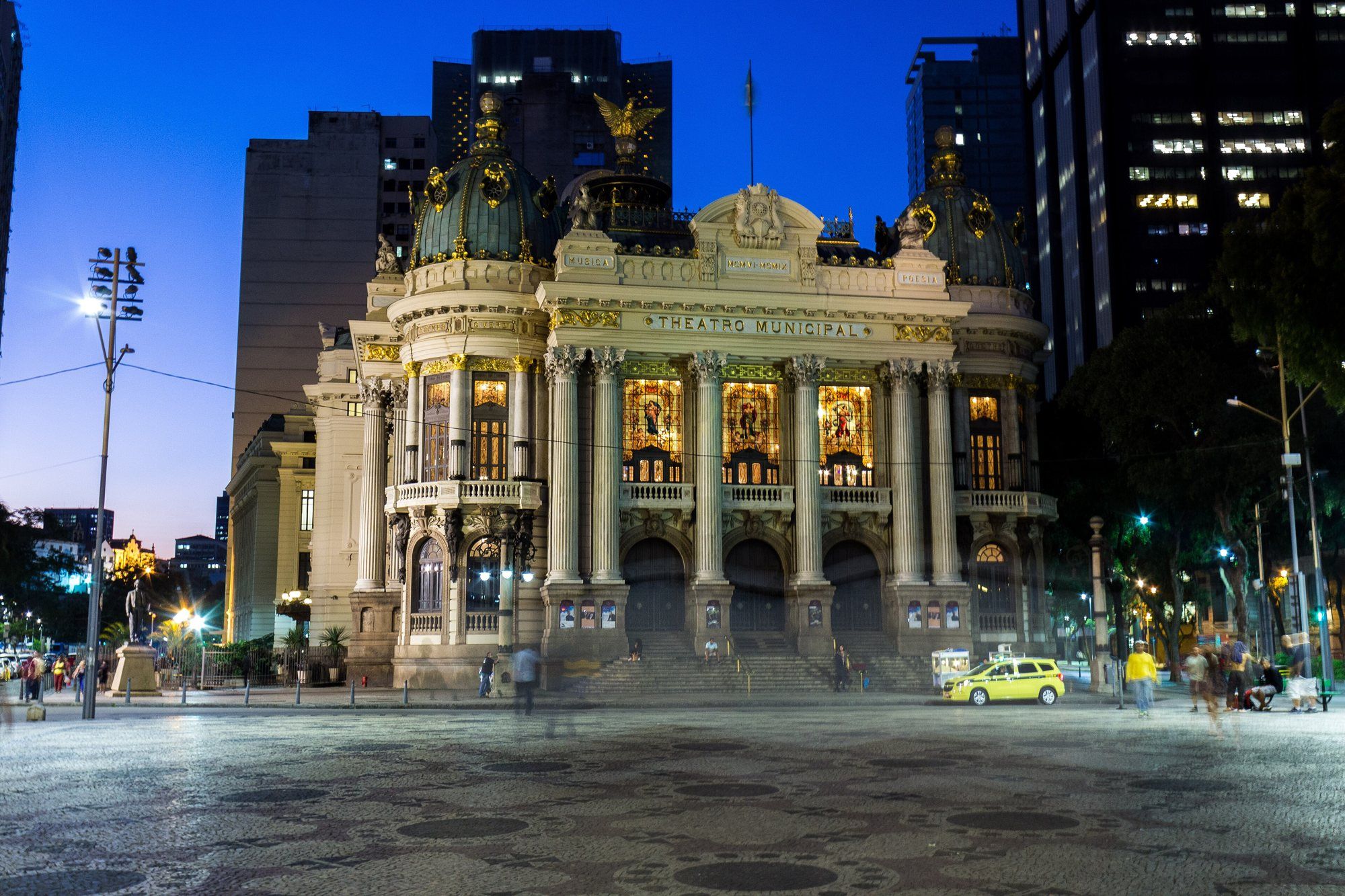 Downtown and Lapa Rio de Janeiro Municipal Theater One of Brazil's most important theaters, in Cinelândia, with an illuminated facade and a program of opera, ballet and concerts. See details
 -
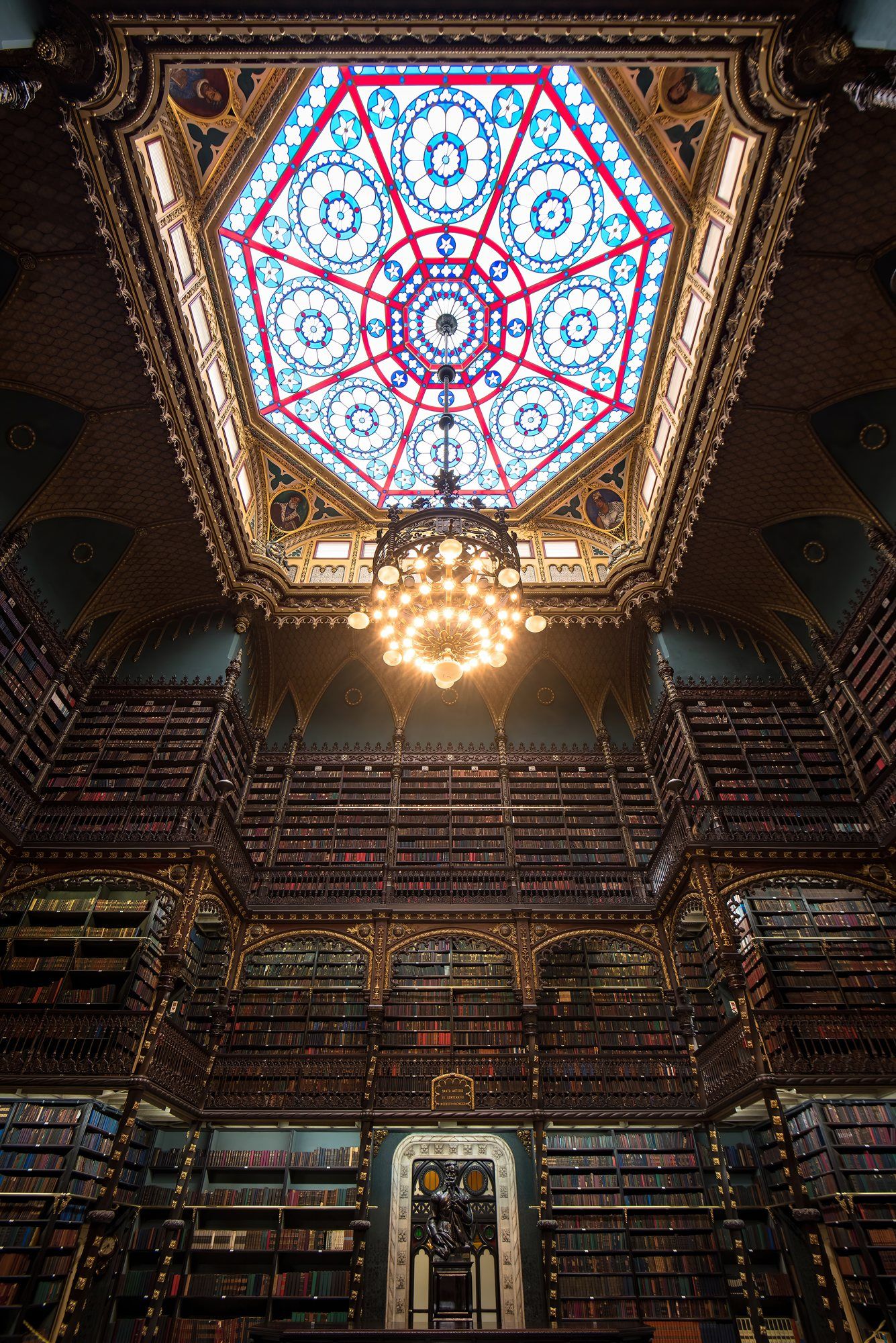 Downtown and Lapa Royal Portuguese Reading Room A Portuguese-language library in downtown Rio, with a hall of wooden shelves up to the ceiling and a stained-glass skylight. See details
 -
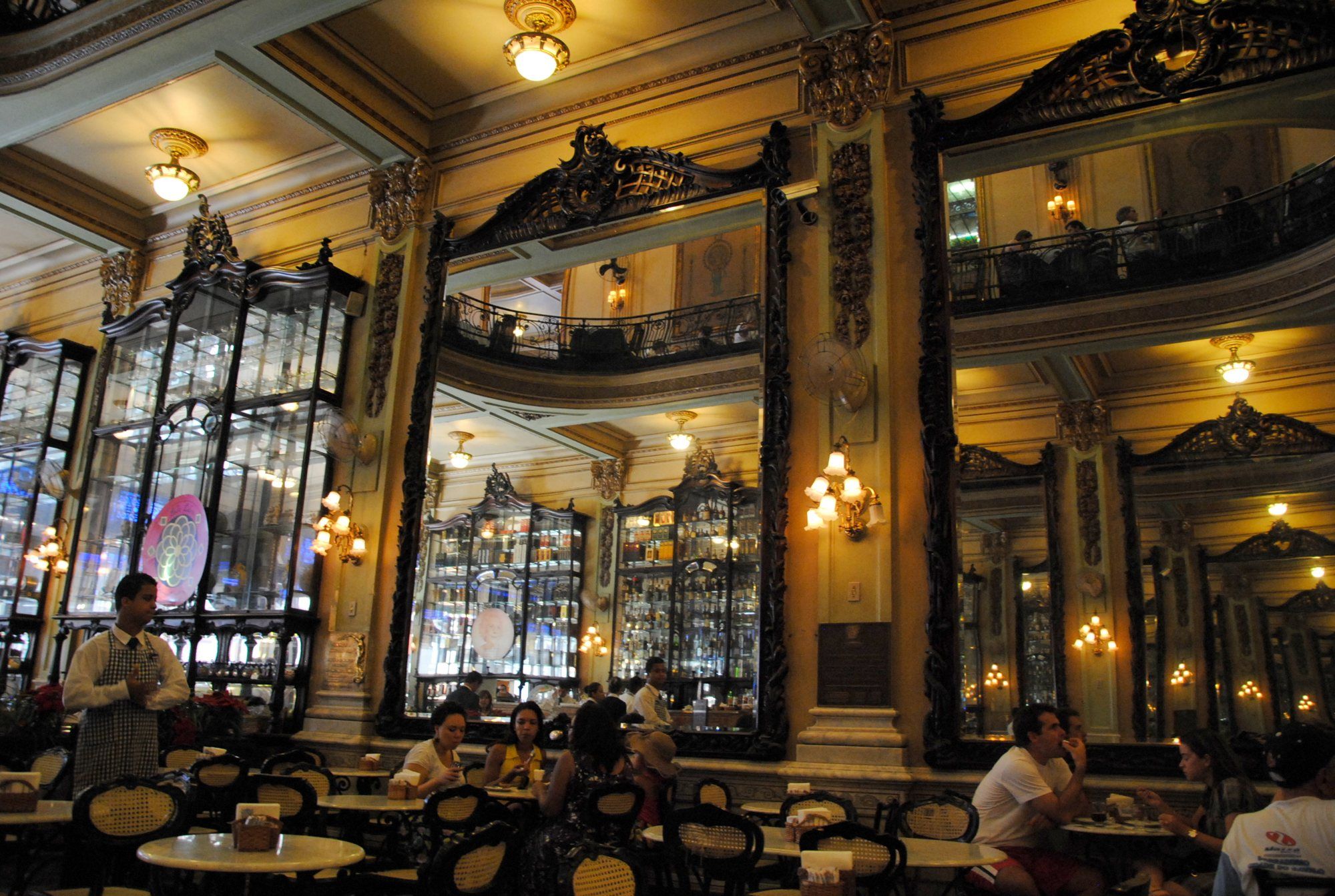 Kids Downtown and Lapa Confeitaria Colombo A traditional downtown confectionery with a hall of mirrors, display cases and chandeliers, a sight in its own right. See details
 -
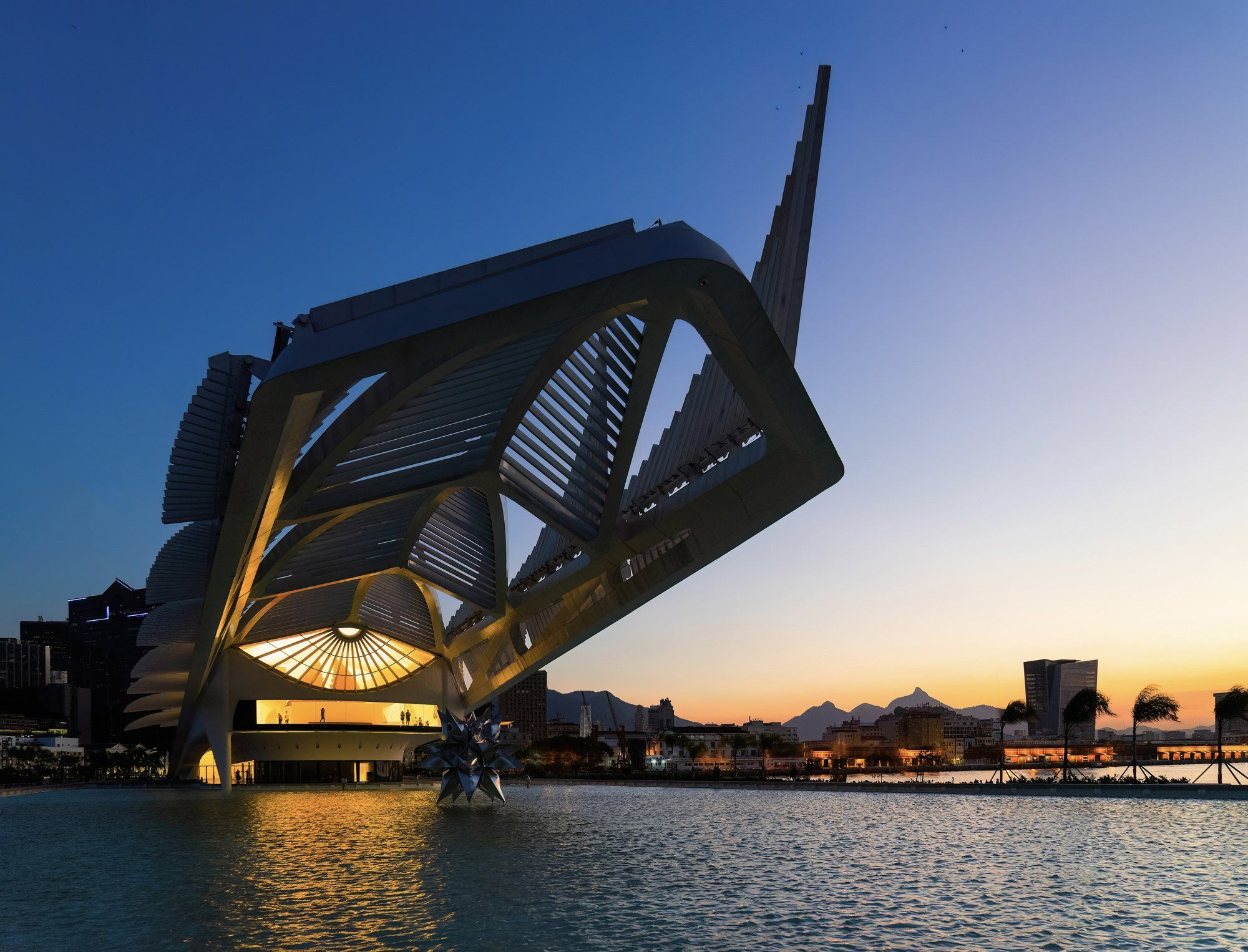 Kids Downtown and Lapa Museum of Tomorrow A science museum about the future of the planet, in a Santiago Calatrava building on the shores of Guanabara Bay. See details
 -
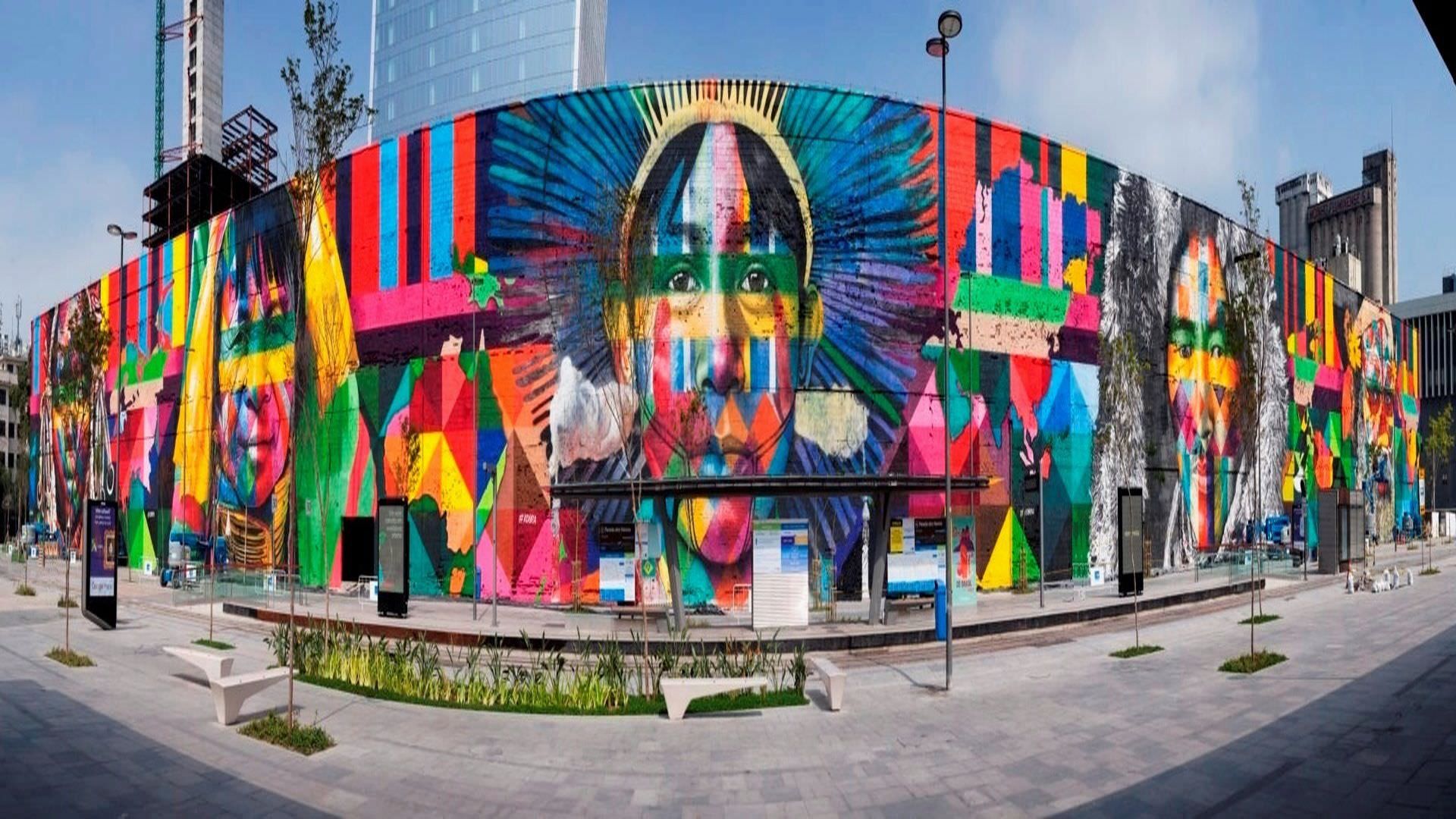 Free accessKids Downtown and Lapa Olympic Boulevard and Praça Mauá The bayside promenade born from the port's renewal, with the Etnias mural and Praça Mauá. See details
 -
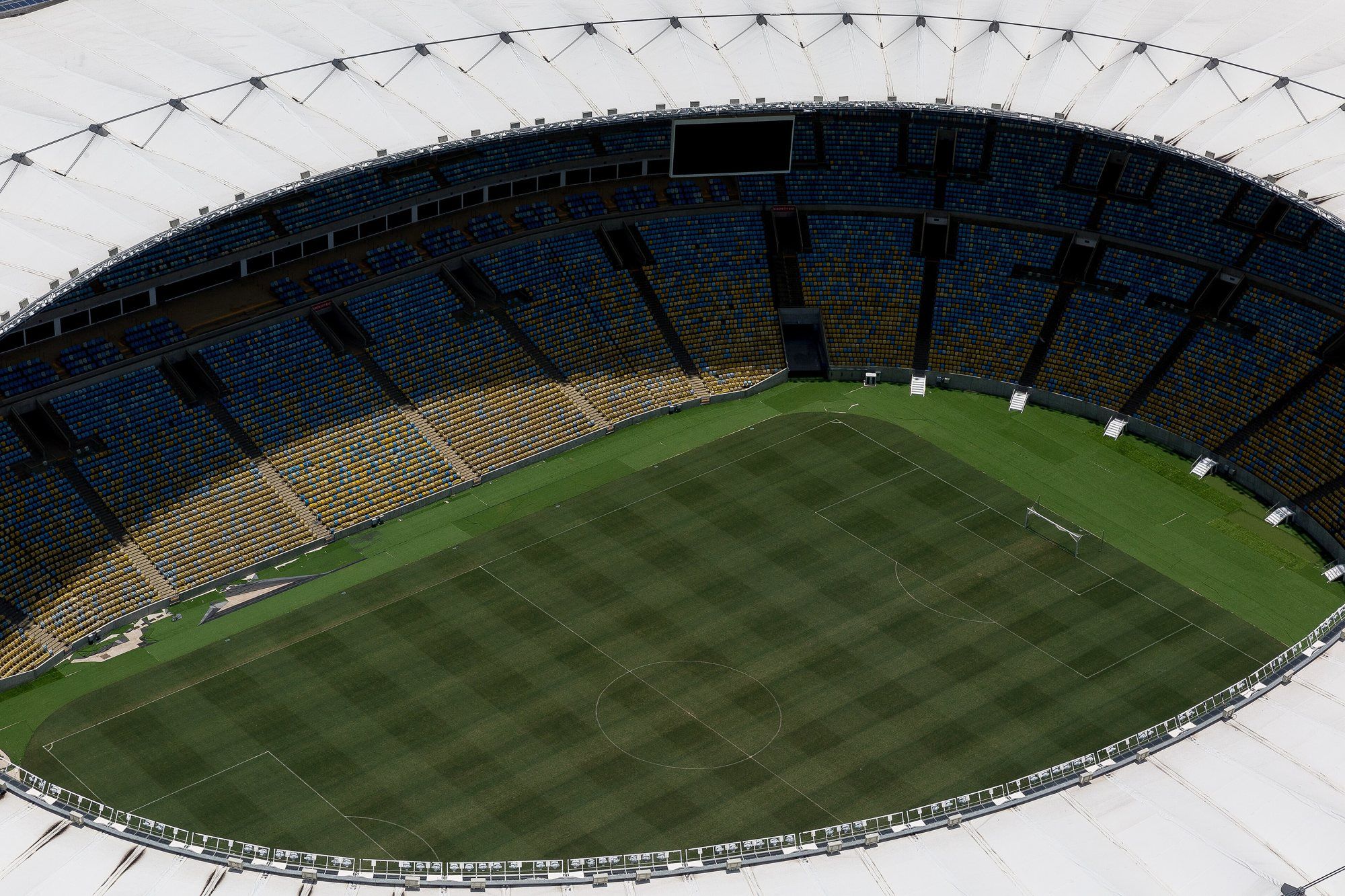 North Zone Maracanã Stadium The stadium opened in 1950, stage of two World Cup finals and the Rio 2016 Olympic ceremonies. Home of Flamengo and Fluminense. See details
 -
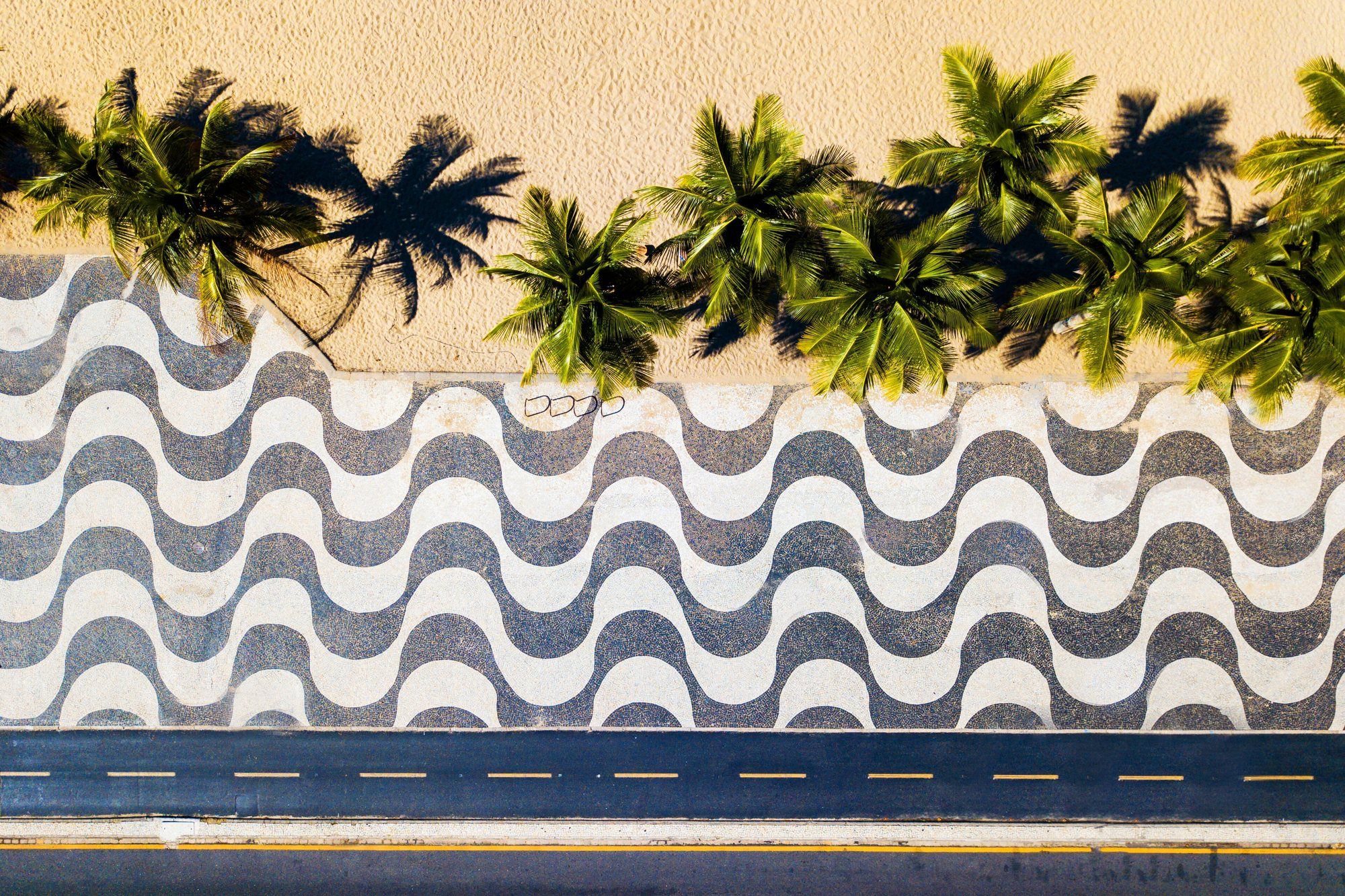 Free accessKids South Zone Copacabana promenade (Calçadão) The Portuguese-stone waves came before Burle Marx. He turned them parallel to the sea and designed the mosaics along the rest of Avenida Atlântica. See details
 -
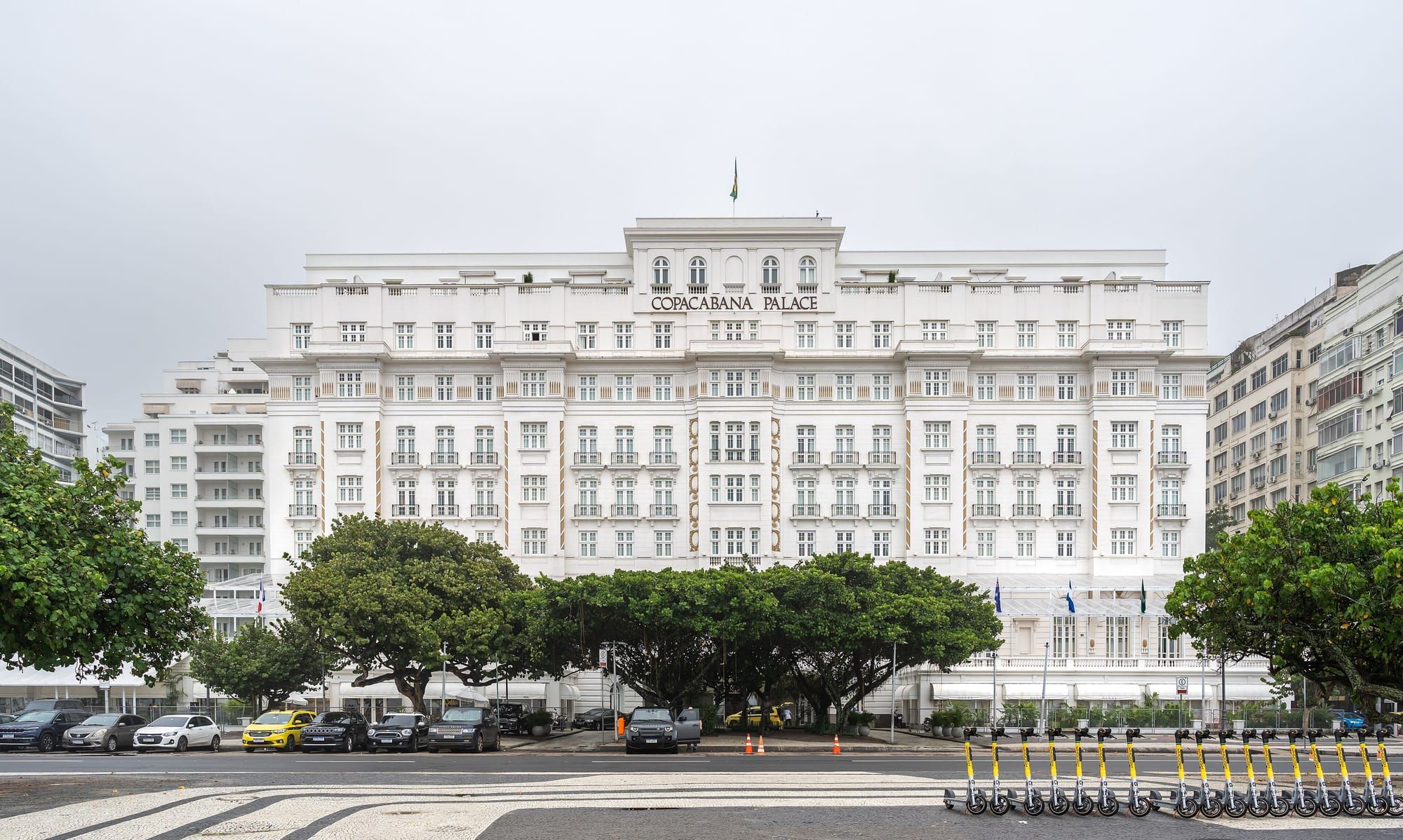 South Zone Copacabana Palace The first large building on the Copacabana seafront, opened in 1923 and heritage-listed at all three levels. A private hotel that became a postcard. See details
 -
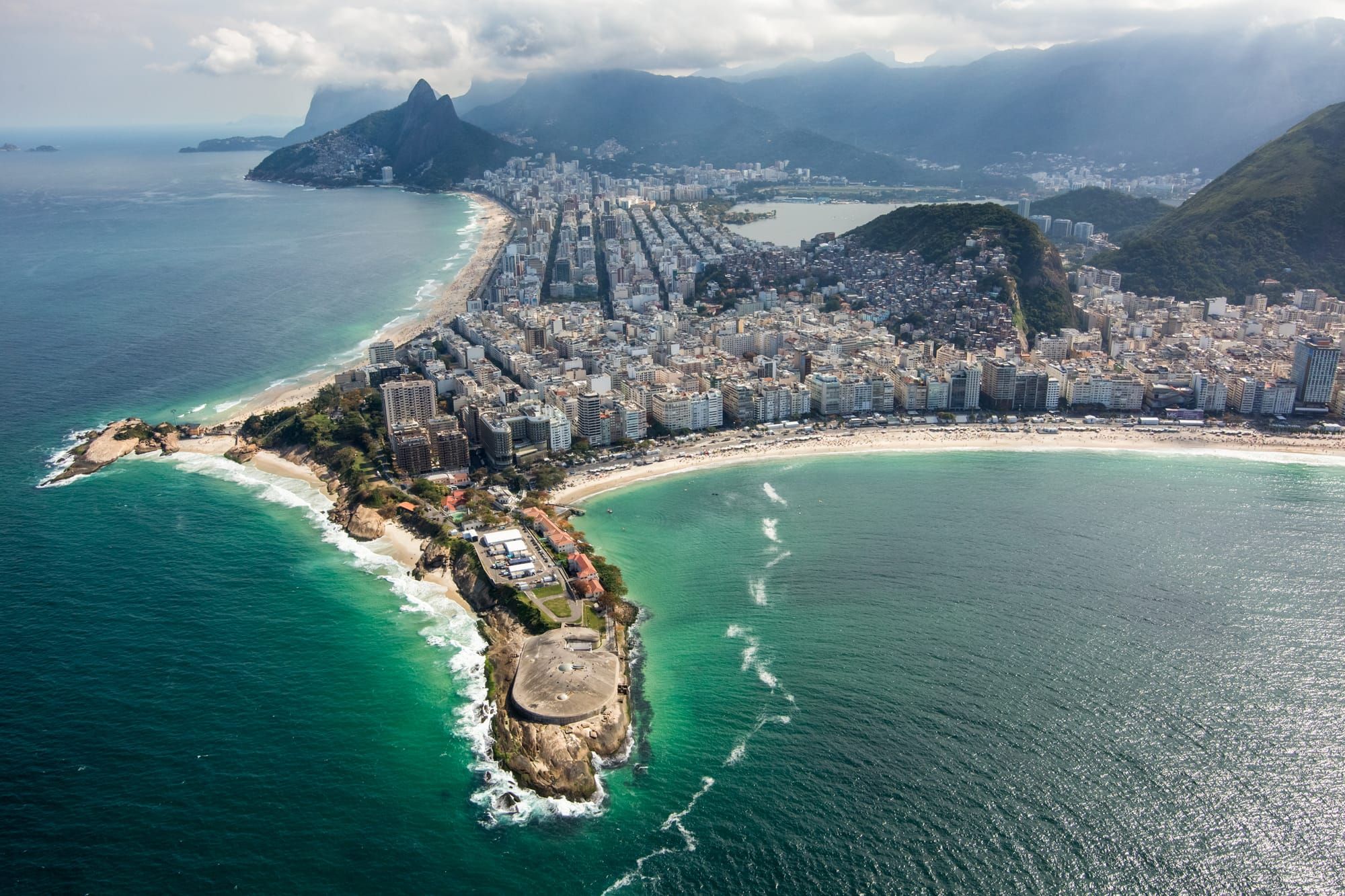 Kids South Zone Copacabana Fort The 1914 fortress at the tip of Copacabana, now the Army History Museum, with one of the finest views of the beach. See details
 - Free access Downtown and Lapa Valongo Wharf and Little Africa The old wharf where hundreds of thousands of enslaved Africans landed, recognized by UNESCO in 2017, and the neighborhood that kept that memory alive. See details
-
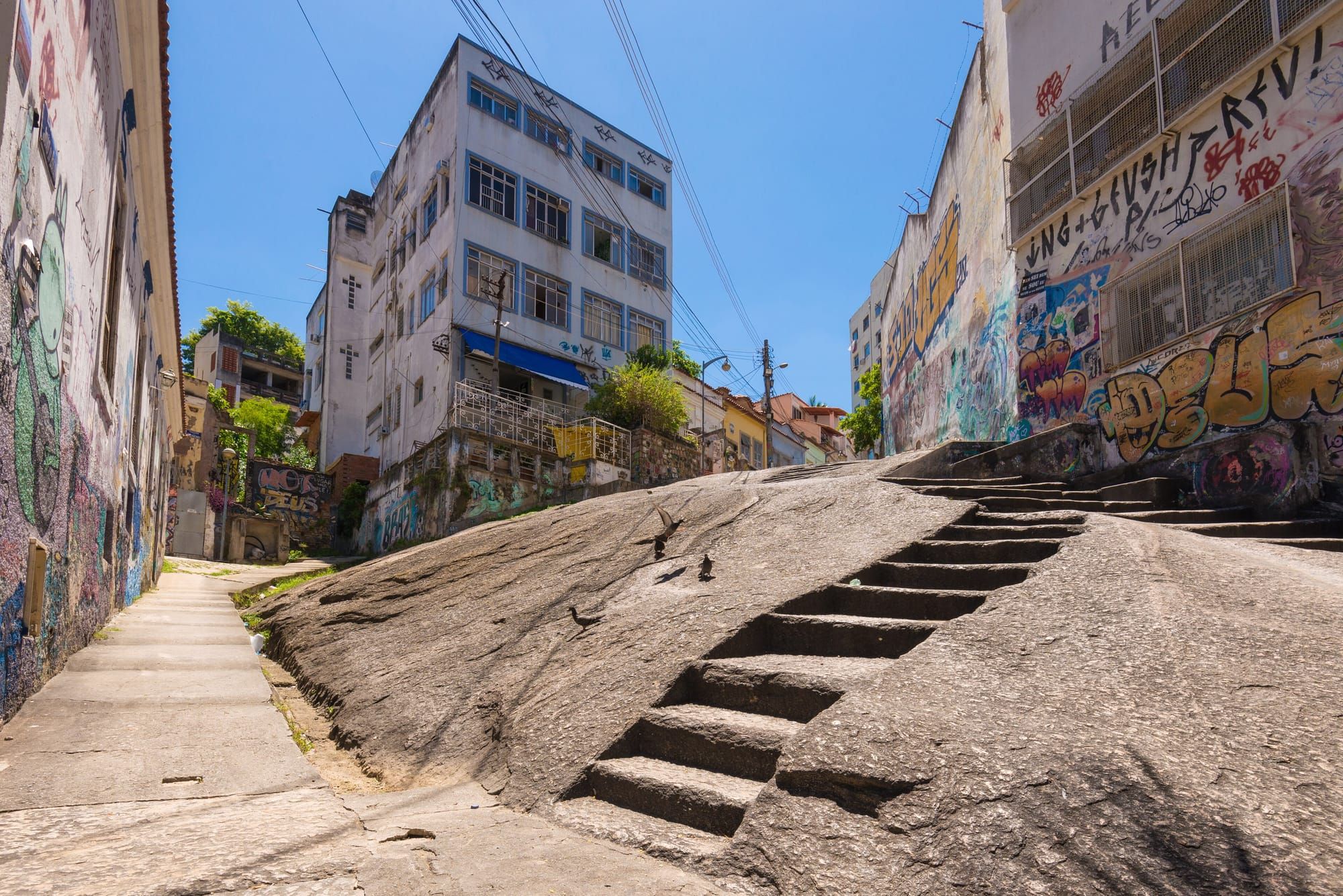 Free access Downtown and Lapa Pedra do Sal The rock with carved steps in the Saúde neighborhood, linked to the origins of carioca samba and to open-air samba circles. See details
 -
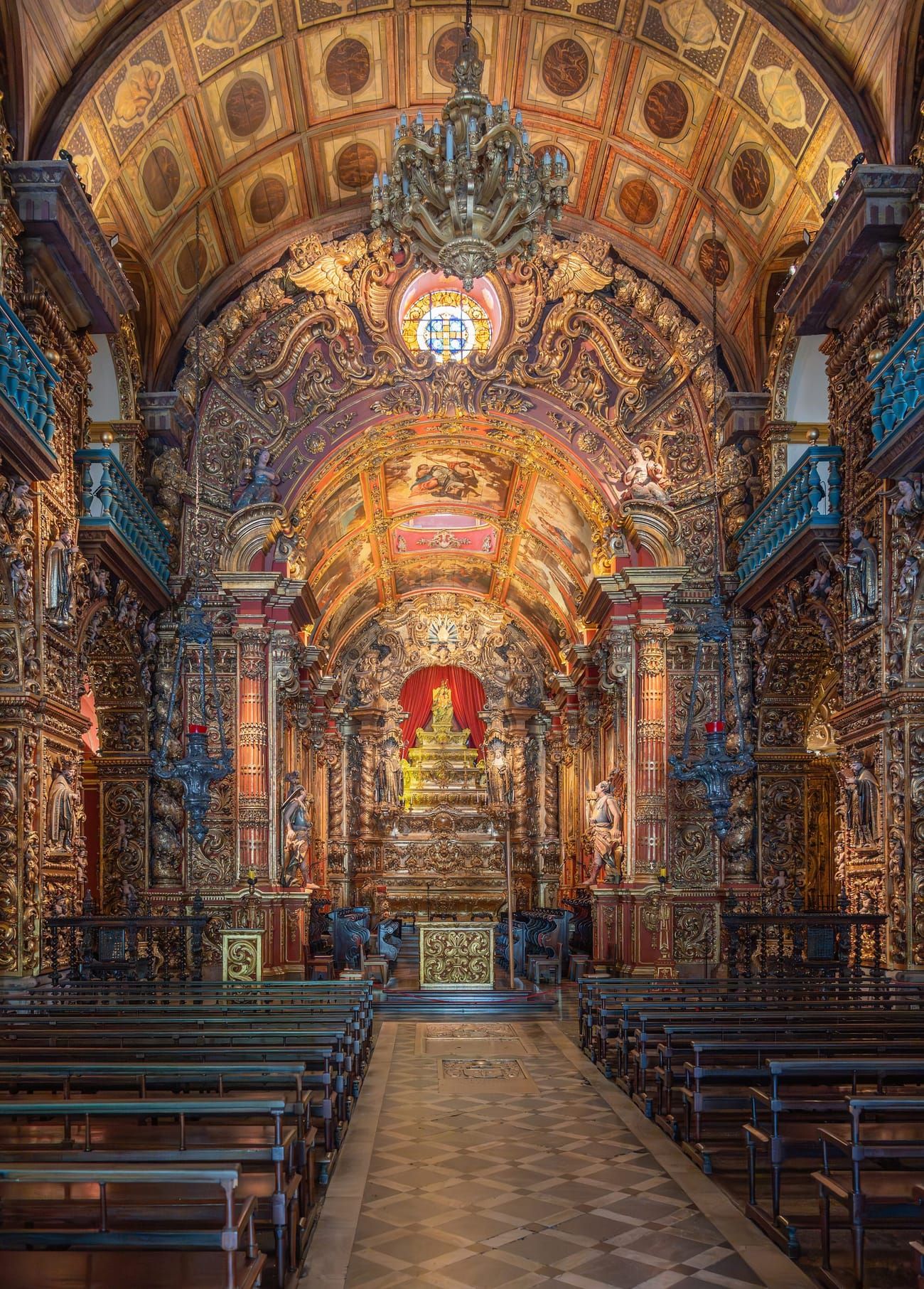 Downtown and Lapa São Bento Monastery On top of a downtown hill, a colonial church entirely lined with gilded woodcarving, still active, with Benedictine monks. See details
 -
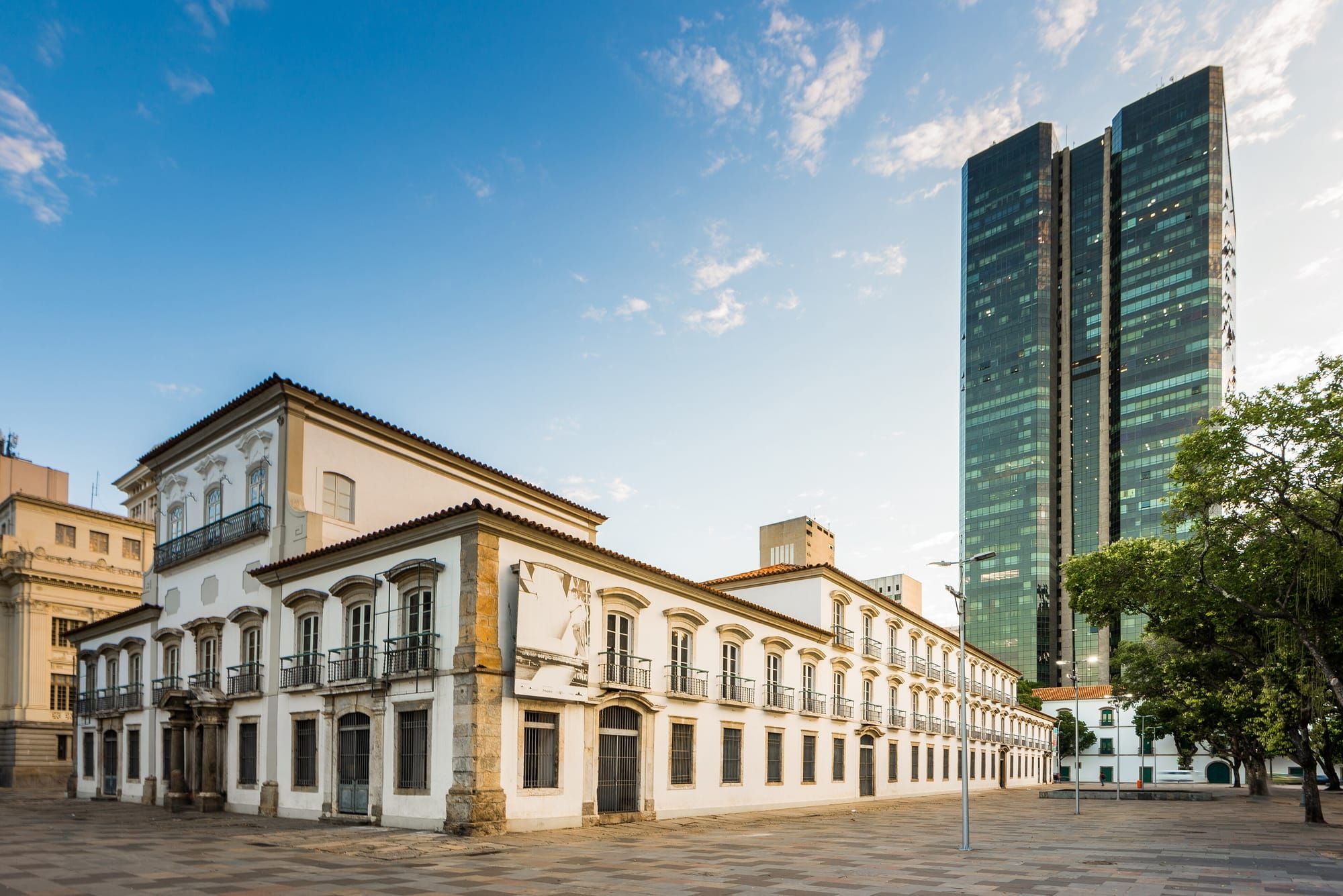 Downtown and Lapa Paço Imperial The colonial mansion on Praça XV that was the seat of power in Brazil for over a century. Today it is a cultural center. See details
 - Downtown and Lapa Banco do Brasil Cultural Center (CCBB Rio) A 1906 building with a rotunda lit by a glass dome, which became one of the most visited cultural centers in the world. See details
- Downtown and Lapa Rio Art Museum (MAR) An eclectic mansion and an old bus terminal joined by a wave-shaped roof, on Praça Mauá. See details
-
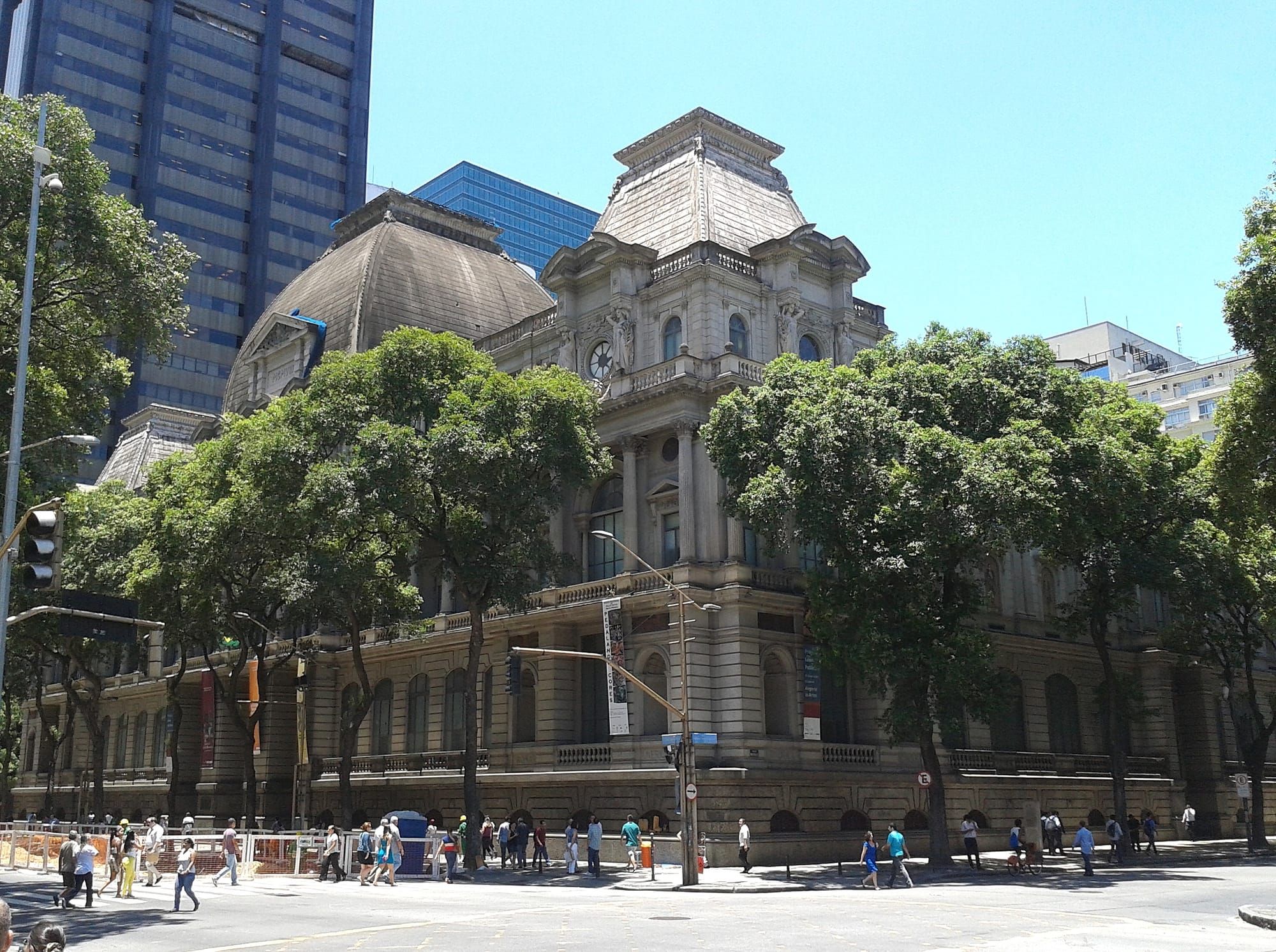 Downtown and Lapa National Museum of Fine Arts About 15,000 pieces, with the largest collection of 19th-century Brazilian art, in an eclectic palace on Avenida Rio Branco. See details
 - Downtown and Lapa Marquês de Sapucaí Sambadrome Oscar Niemeyer's concrete parade avenue where the samba schools parade. In January, the technical rehearsals are open to the public. See details
- North Zone São Cristóvão Fair A giant pavilion devoted to the culture of Brazil's Northeast, with forró, repentistas, food and typical products. Another Brazil inside Rio. See details
-
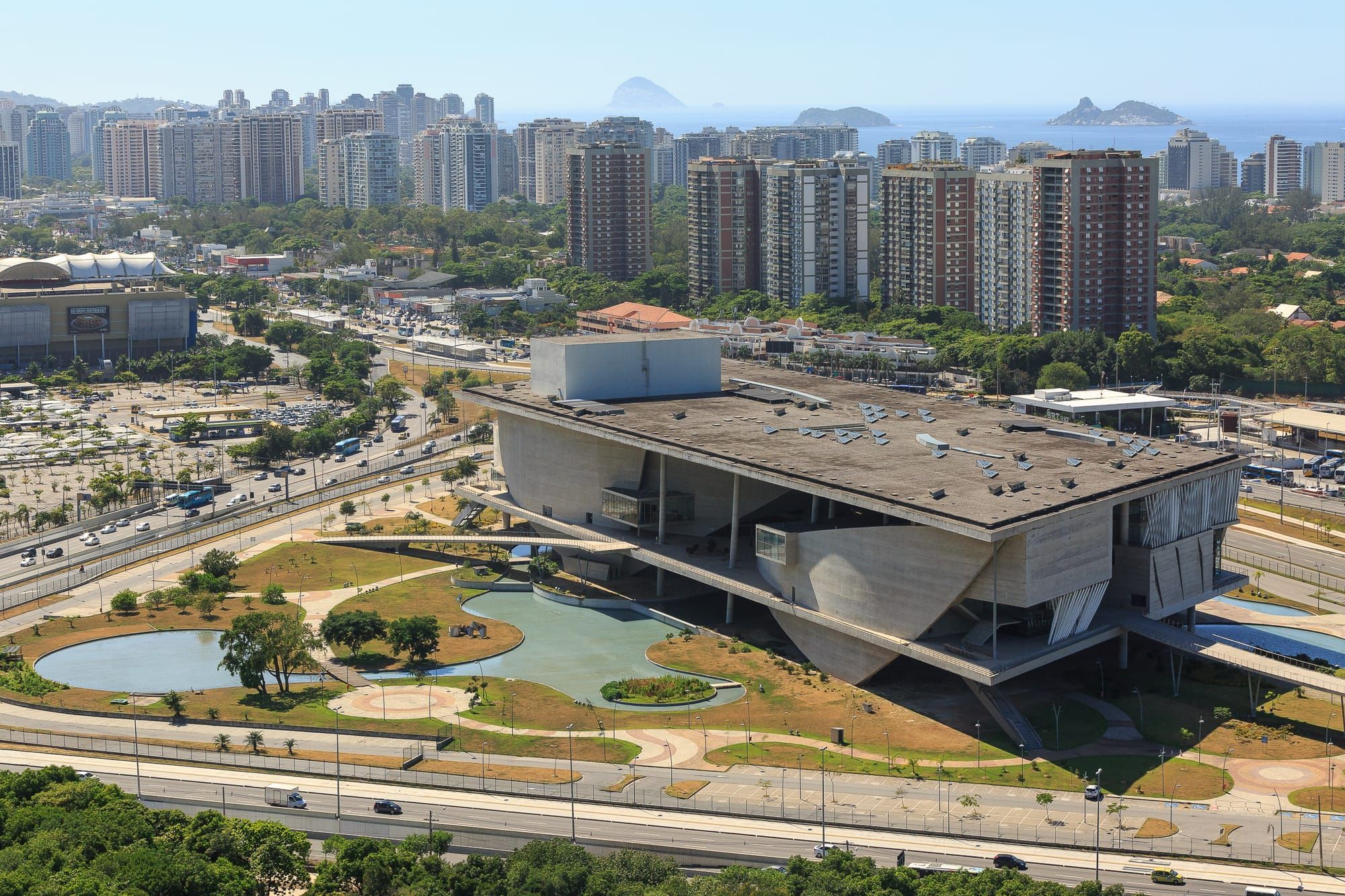 West Zone Cidade das Artes A cultural complex of suspended concrete in Barra, by architect Christian de Portzamparc, with a large concert and opera hall. See details
Keep reading
Keep planning
- What to do in Rio de Janeiro when it rains Museums, historic interiors and covered outings so you do not lose the day. Read guide
- Rio's historic downtown on foot A day on foot from Praça Mauá to the Selarón Steps, with the VLT tram and metro to save time. Read guide
-
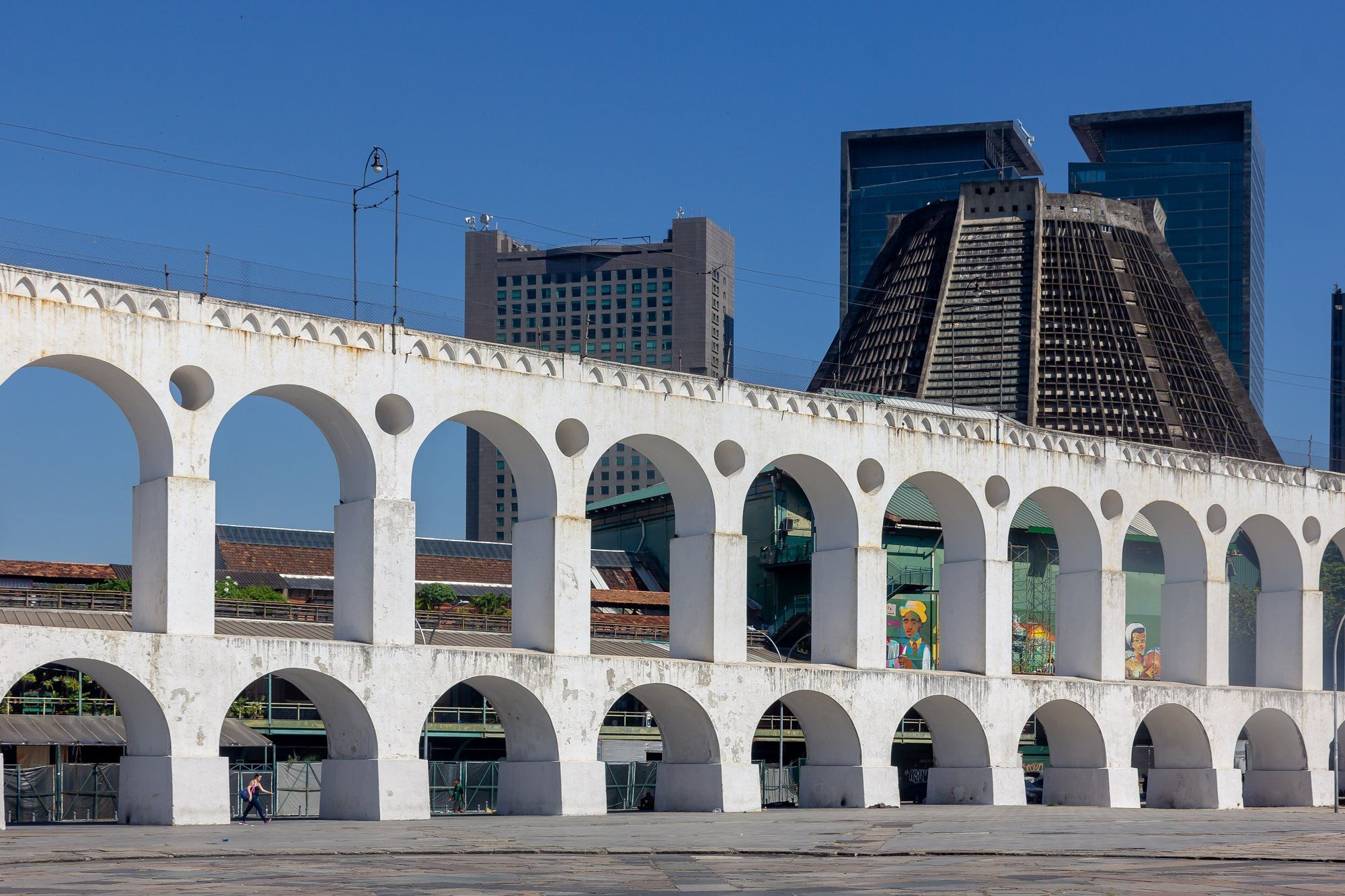 A short history of Rio de Janeiro The key moments in the city's history and where to see them today. Read guide