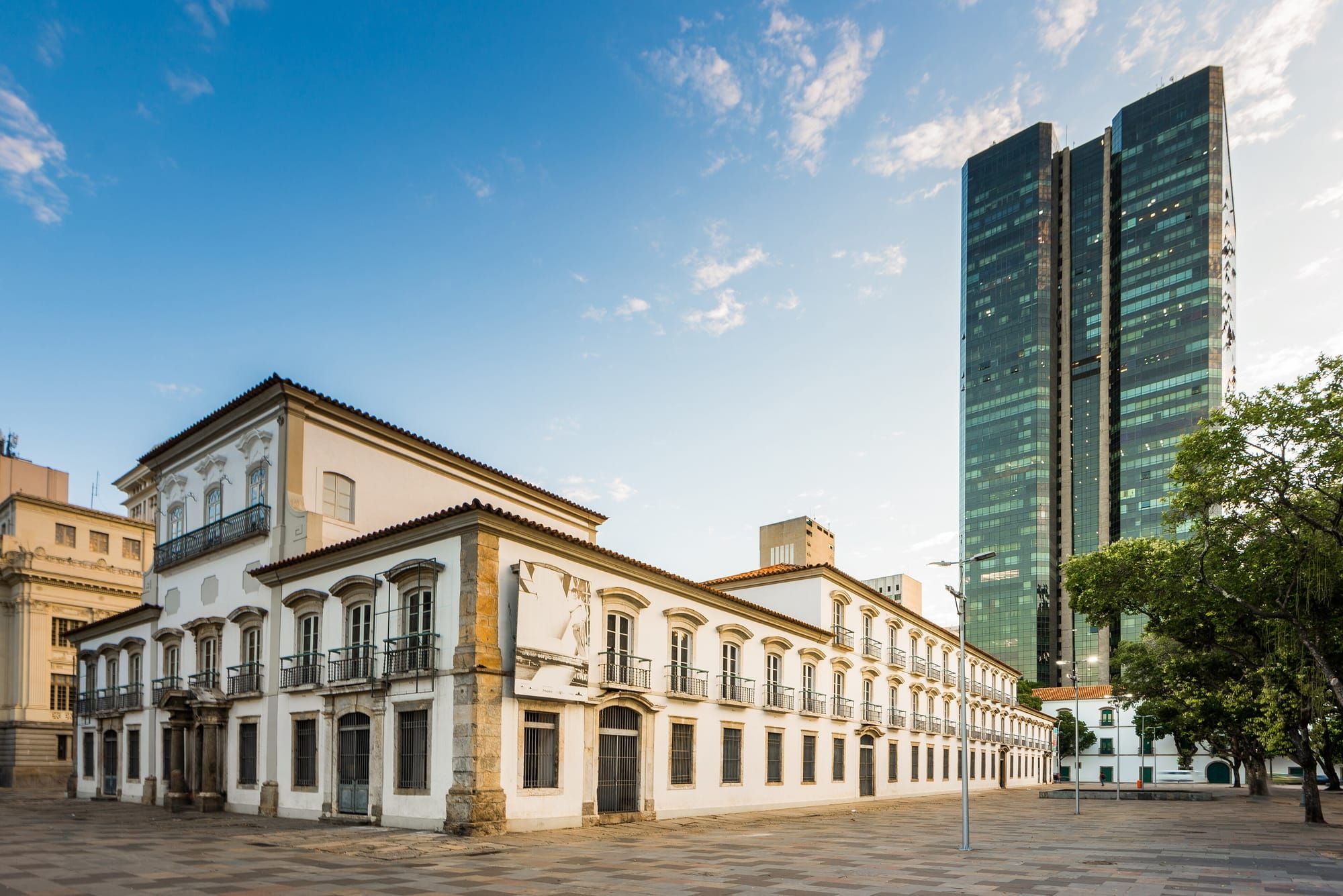
- Type
- History and culture
- Area
- Downtown and Lapa
- Requires a hike or uphill walk
- No
The Paço Imperial (Imperial Palace) is the white colonial mansion on Praça XV de Novembro, in downtown Rio. Built in the 18th century as the governors’ residence, it was the seat of power of the viceroys, of King João VI and of the emperors of Brazil. It is considered the most important colonial civil building in the country, according to Wikipedia. Today it is a cultural center.
Governors, viceroys and a king
In 1733, Governor Gomes Freire de Andrade asked the King of Portugal for permission to build a government house in Rio. It was designed by military engineer José Fernandes Pinto Alpoim, and the Governors’ House opened in 1743, on the old Largo do Carmo, now Praça XV.
In 1763, when the colonial capital moved from Salvador to Rio, the building became the Viceroys’ Palace. In 1808, with the arrival of the Portuguese royal family, it became the Royal Palace, where Prince Regent João conducted official business. The building gained an extra floor, a Throne Room and a passage to the neighboring Carmo Convent, according to Wikipedia.
Dia do Fico and the Golden Law
After Independence, the building was renamed Paço Imperial. Two landmark moments in Brazilian history took place there, according to Wikipedia:
- January 9, 1822: Pedro I announced that he would not return to Portugal, the episode known as the Dia do Fico (“I’m Staying” Day).
- May 13, 1888: Princess Isabel signed the Golden Law (Lei Áurea), which abolished slavery in Brazil.
Post office, listing and restoration
With the Proclamation of the Republic in 1889, the Paço became the central Post and Telegraph office. The building was heritage-listed in 1938, and in 1982 Iphan restored it to its 1818 appearance, according to Wikipedia.
The cultural center
Today the Paço hosts exhibitions of painting, photography, sculpture, film and music. It also has the Paulo Santos Library, of art and architecture, a bookshop and a restaurant, according to Wikipedia.
Nearby
- Ilha Fiscal, the little castle in the bay, visible from the waterfront.
- The Banco do Brasil Cultural Center, a few blocks away.
- São Bento Monastery and Praça Mauá, following the waterfront along the Olympic Boulevard.
The VLT Carioca light rail has lines through Praça XV, according to VLT Carioca: see getting around Rio. For a full day in the area, follow historic downtown on foot.
Practical tips
- Check the exhibition program on the official channel before you go.
- From the Paço, Praça XV leads to the ferries and the view of Ilha Fiscal.
- Combine it with the CCBB, a few blocks away.
Frequently asked questions
What happened at the Paço Imperial?
It was the seat of the colonial and imperial government. There, Emperor Pedro I announced he would stay in Brazil, on the Dia do Fico ("I'm Staying" Day), January 9, 1822, and Princess Isabel signed the Golden Law, on May 13, 1888, according to Wikipedia.
What is at the Paço Imperial today?
It is a cultural center with exhibitions of painting, photography, sculpture and other arts, plus a library of art and architecture, according to Wikipedia.
Who designed the Paço Imperial?
Portuguese military engineer José Fernandes Pinto Alpoim. Construction began around 1738 and the Governors' House opened in 1743, according to Wikipedia.
Pair it with
- Downtown and Lapa Banco do Brasil Cultural Center (CCBB Rio) A 1906 building with a rotunda lit by a glass dome, which became one of the most visited cultural centers in the world. See details
-
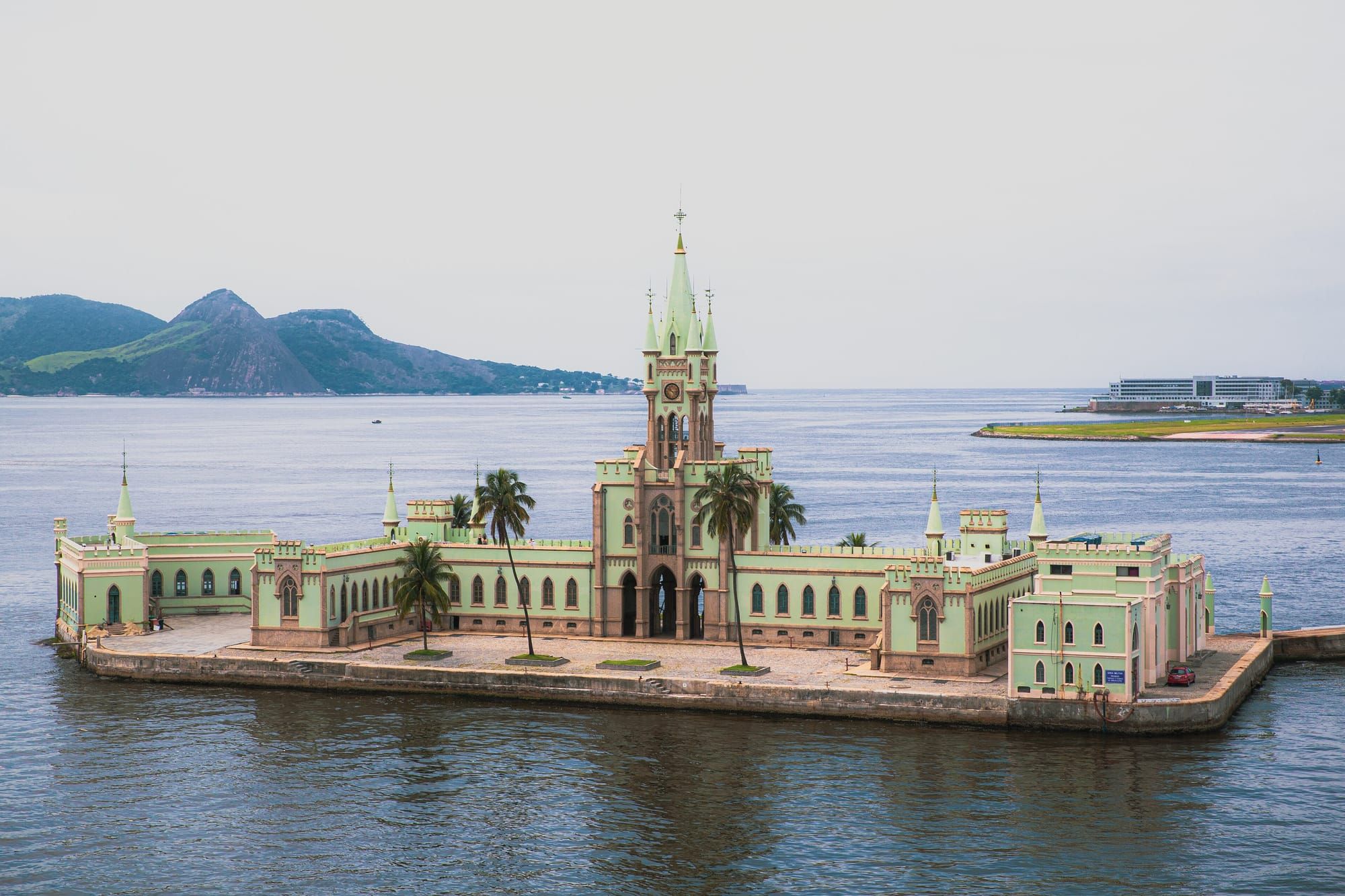 Downtown and Lapa Ilha Fiscal The little green castle in the bay, stage of the Empire's last great ball in November 1889. Visits leave from the Navy Cultural Space. See details
 -
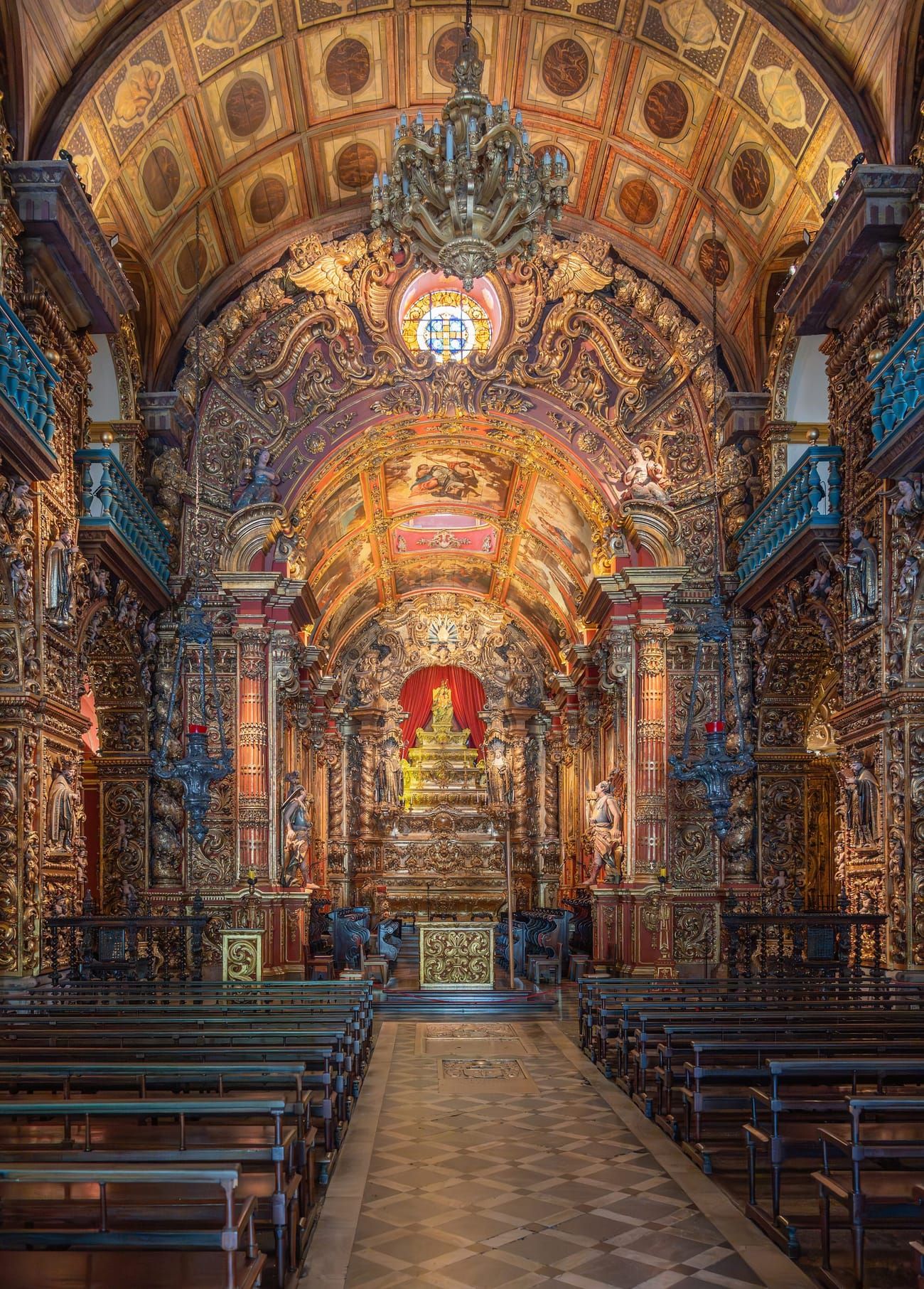 Downtown and Lapa São Bento Monastery On top of a downtown hill, a colonial church entirely lined with gilded woodcarving, still active, with Benedictine monks. See details