
Rio de Janeiro between the mountains and the sea, explained the right way
Christ the Redeemer, Sugarloaf Mountain, Copacabana, Ipanema, Tijuca Forest and the historic downtown, with ready-made itineraries, safety advice without the scaremongering and sources cited on every page.
The symbol of this guide
Sugarloaf Mountain and its cable car
Since 1912 the cable car has climbed from Praia Vermelha to Urca Hill and on to Sugarloaf. From the top, the view takes in Guanabara Bay, Copacabana, Corcovado and the Tijuca Forest.
- 1912 first cable car section
- 396 m elevation of Sugarloaf
- 2 stages Praia Vermelha, Urca and Sugarloaf
- Late afternoon the busiest time
Tião's tip: go up about two hours before sunset. You see the city by day, the sunset and the lights coming on.
UNESCO World Heritage
Carioca Landscapes: between the mountains and the sea
In 2012 UNESCO inscribed Rio's landscape on the World Heritage List. It is not a building: it is the rare meeting of a big city with mountains, rainforest, a bay and beaches.
- 1 A replanted forestIn 1861 Emperor Pedro II ordered the Tijuca forest to be protected and replanted. Today it is Tijuca National Park, right in the middle of the city.
- 2 The granite peaksSugarloaf, Corcovado, Dois Irmãos and Pedra da Gávea draw the skyline you see from almost every beach.
- 3 A designed waterfrontCopacabana's promenade, with its Portuguese stone waves, and Flamengo Park are part of the site.
Start here
What to decide before you book
When to go, how many days to stay, which neighborhood to pick and how to get from the airport to your hotel.
Landmarks and beaches
Places worth your time
From Christ the Redeemer to the Selarón Steps, with what you need to know before you go.
-
 Paid South Zone Christ the Redeemer The statue on top of Corcovado, about 709 meters above sea level, inside Tijuca National Park. Go up by train, official van or on foot. See details
 -
 PaidKids South Zone Sugarloaf Mountain and its cable car The cable car climbs from Praia Vermelha to Urca Hill and on to Sugarloaf, 396 meters above the bay. The sunset from the top is the most sought-after in town. See details
 -
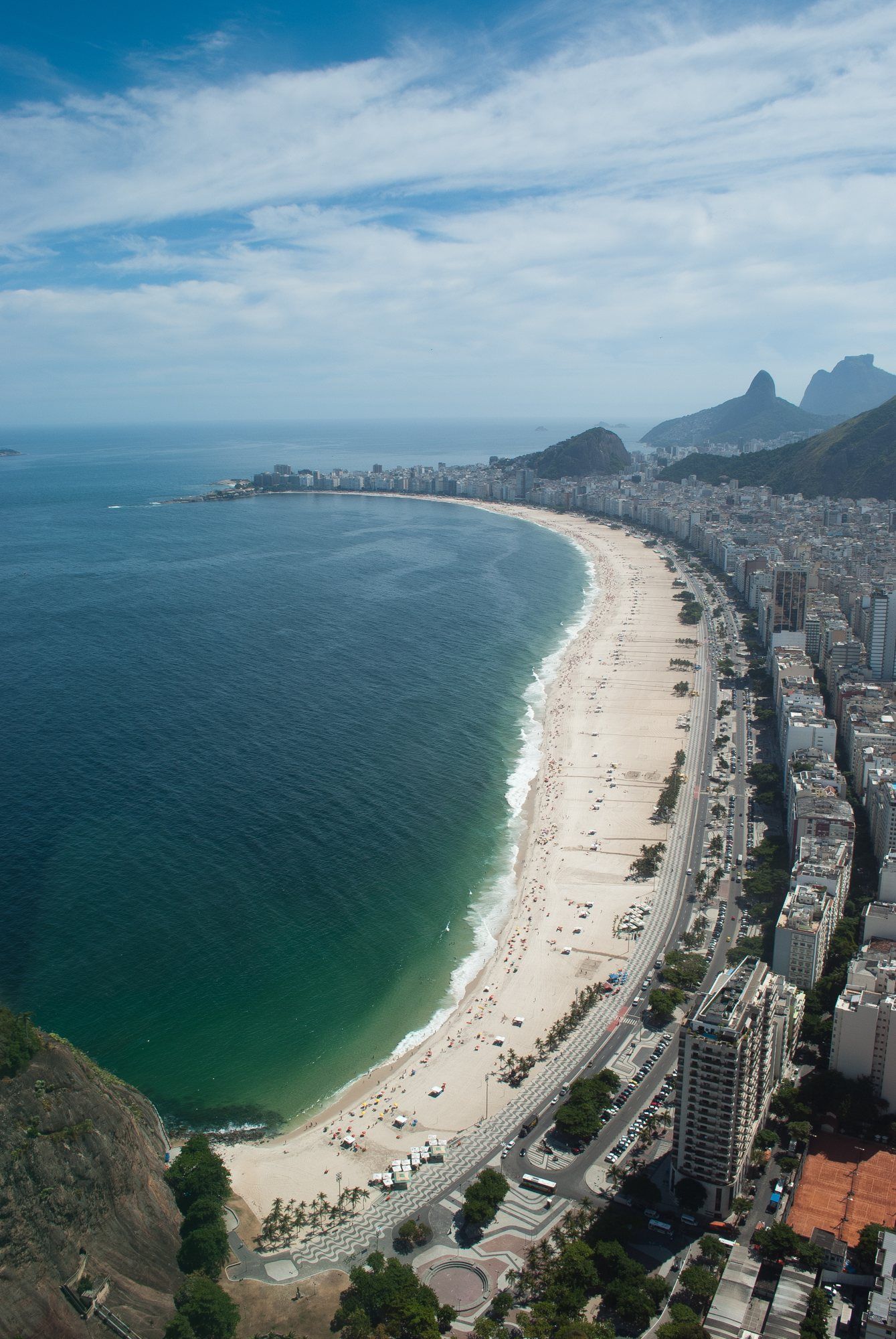 Free accessKids South Zone Copacabana Beach Rio’s most famous beach, with its Portuguese stone wave promenade, kiosks, beach sports and the world’s biggest New Year’s Eve party. See details
 -
 Free accessKids South Zone Ipanema Beach The bossa nova beach between Arpoador and Leblon, with Dois Irmãos on the horizon and one of the most applauded sunsets in Rio. See details
Itineraries
Itineraries by number of days
Ready-made plans to adapt to the weather and your pace, from a weekend to a full week.

Business directory
Hotels, restaurants, tours and services
Categories with practical advice and listings built only from verifiable public sources. Local businesses can submit a free listing.
FAQ
Before you travel, read this
How many days do I need in Rio de Janeiro?
Three days are enough for Christ the Redeemer, Sugarloaf Mountain, Copacabana, Ipanema and the sunset at Arpoador. With five to seven days you can add the historic downtown, Santa Teresa, the Botanical Garden, a hike and the West Zone beaches, with a spare day for bad weather.
How do I get up to Christ the Redeemer?
There are three official ways: the Corcovado Train from Cosme Velho; the official Paineiras-Corcovado vans, which leave from the South Zone; and on foot along the Parque Lage trail, ideally with an authorized guide. See prices, hours and rules in our guide to visiting Christ the Redeemer.
Is Rio de Janeiro safe for tourists?
Millions of tourists visit Rio every year without problems, but pickpocketing and phone snatching happen in busy areas. Carry only what you need, keep your phone out of sight on the street, use ride-hailing apps or taxis at night and follow our safety guide.
When is the best time to visit Rio?
Rio can be visited all year. Summer (December to March) is hotter and rainier and brings New Year's Eve and Carnival; autumn and winter (April to September) are usually milder and drier, great for hikes and viewpoints.
Which neighborhood should I stay in?
For a first trip, the South Zone beachfront (Copacabana, Ipanema and Leblon) has the beaches, the metro and plenty of services. Botafogo and Flamengo are closer to downtown and Sugarloaf; Barra da Tijuca is far from the main landmarks.
This is not an official website of the city or of any attraction. Every page shows when it was updated and where the information comes from. Advertising and sponsorships are always labeled.