- Type
- History and culture
- Area
- South Zone
- Requires a hike or uphill walk
- No
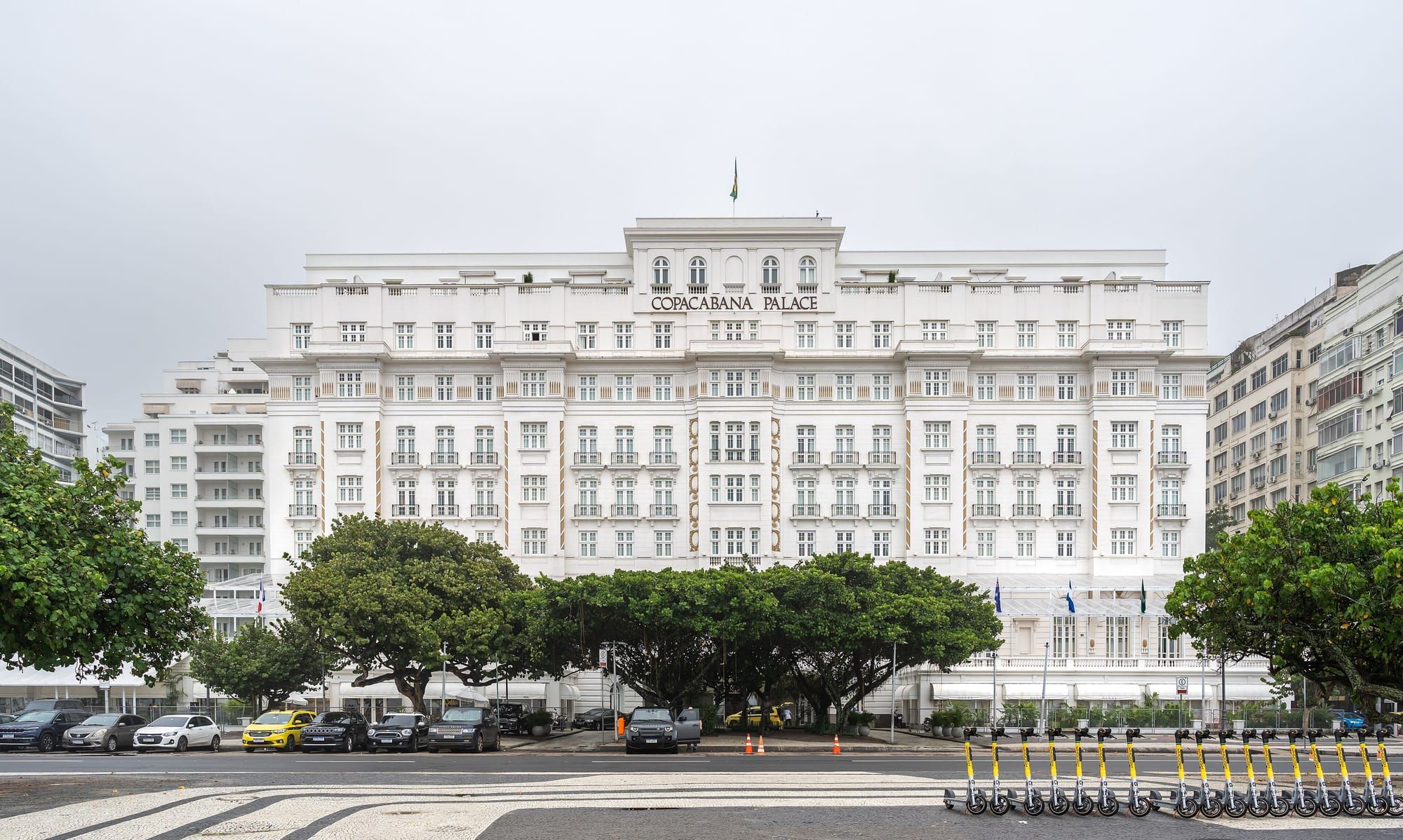
The Copacabana Palace is the historic hotel on Avenida Atlântica, facing Copacabana Beach. Opened in 1923, it was the first large building on the seafront, when the neighborhood still had only houses and small farms, according to Wikipedia. More than a hundred years later, its white facade is still one of the most photographed images in Rio. The address is Avenida Atlântica, 1702, according to the official website.
This guide does not take bookings or recommend hotels: this page is about the building and its history.
A hotel for the Centennial
The idea came from President Epitácio Pessoa, who wanted a large tourist hotel in what was then the national capital to host visitors to the Independence Centennial Exhibition in 1922. Businessman Octávio Guinle and Francisco Castro Silva built the hotel between 1919 and 1923. In return, the federal government granted tax incentives and a casino license, according to Wikipedia.
Construction ran late. The foundations were 14 meters deep, Carrara marble and Bohemian crystal were hard to import, and a storm surge wrecked Avenida Atlântica in 1922, damaging the lower floors. The hotel only opened on August 13, 1923, almost a year after the exhibition. The French singer and revue star Mistinguett attended the opening.
The architecture
The design is by French architect Joseph Gire, who drew inspiration from two hotels on the French Riviera: the Negresco in Nice and the Carlton in Cannes. The structure was built by engineer César Melo e Cunha. The pool dates from 1934, and in 1938 the Golden Room ballroom opened with a show by Maurice Chevalier, according to Wikipedia.
Gire also designed the Hotel Glória, opened in 1922 near downtown. Both appear in the guide to historic hotels in Rio.
From casino to heritage listing
In 1946, President Eurico Gaspar Dutra banned gambling in Brazil. The casino became a show venue, and a renovation added two floors, the side pergola and the rear annex, opened in 1949. When the capital moved to Brasília in 1960, the hotel went into slow decline, according to Wikipedia.
In 1985 its demolition was even planned. The building was then heritage-listed at all three levels: by Iphan (federal), by Inepac (state) and by the city’s heritage body. In 1989, the Guinle family sold the hotel to the group now called Belmond, which restored it. Belmond was bought by the LVMH group in 2018.
Famous guests
Its guest list helped build the hotel’s fame. According to the English Wikipedia, guests have included Walt Disney, Marlene Dietrich, Ginger Rogers, Josephine Baker, Rita Hayworth, Orson Welles, Brigitte Bardot, Janis Joplin, Princess Diana, Freddie Mercury and Madonna, among others. The hotel’s own website mentions Brigitte Bardot and Ella Fitzgerald.
The hotel was also the theme of the 1933 Hollywood musical “Flying Down to Rio”, the first film in which Fred Astaire and Ginger Rogers danced together. The film was shot in the United States, in a studio, according to Wikipedia.
How to see the Copacabana Palace
The Copacabana Palace is a private hotel. For visitors, the best plan is to see the facade from the Copacabana promenade, at Avenida Atlântica, 1702, ideally in the morning, with the sun on the building.
Nearby
- Copacabana Fort, at the southern end of the beach.
- Arpoador, for the sunset.
- By metro, get off in Copacabana, at Cardeal Arcoverde or Siqueira Campos stations, according to the MetrôRio network.
To choose a neighborhood to stay in, see where to stay in Rio.
Practical tips
- You can see the facade for free from the Avenida Atlântica promenade.
- The hotel is private: the interiors are for guests and customers.
- Combine a photo of the facade with a walk along the promenade to the Fort.
Frequently asked questions
When did the Copacabana Palace open?
On August 13, 1923, according to Wikipedia. Construction ran late and the hotel opened almost a year after the Independence Centennial Exhibition it had been planned for.
Who designed the Copacabana Palace?
French architect Joseph Gire, who drew inspiration from the Negresco in Nice and the Carlton in Cannes, two hotels on the French Riviera, according to Wikipedia.
Can you visit the Copacabana Palace without staying there?
The hotel is private. The facade can be seen freely from the promenade. The official website lists restaurants and the Teatro Fernanda Montenegro, but the access rules for non-guests have not been confirmed by this guide: check with the hotel.
Is the Copacabana Palace heritage-listed?
Yes. After being threatened with demolition in 1985, the building was listed by Iphan (federal), Inepac (state) and the city's heritage body, according to Wikipedia.
Pair it with
-
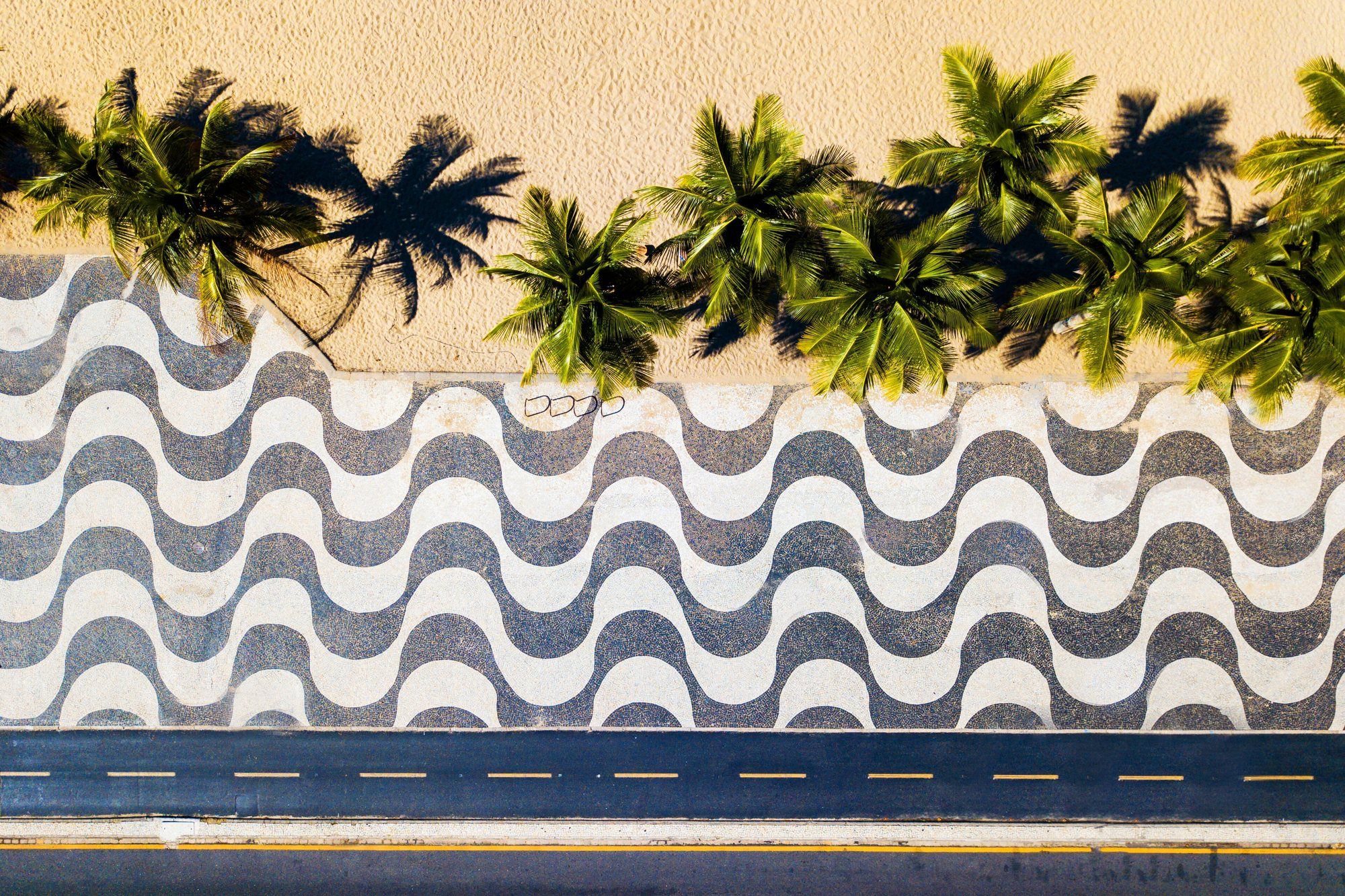 Free accessKids South Zone Copacabana promenade (Calçadão) The Portuguese-stone waves came before Burle Marx. He turned them parallel to the sea and designed the mosaics along the rest of Avenida Atlântica. See details
 -
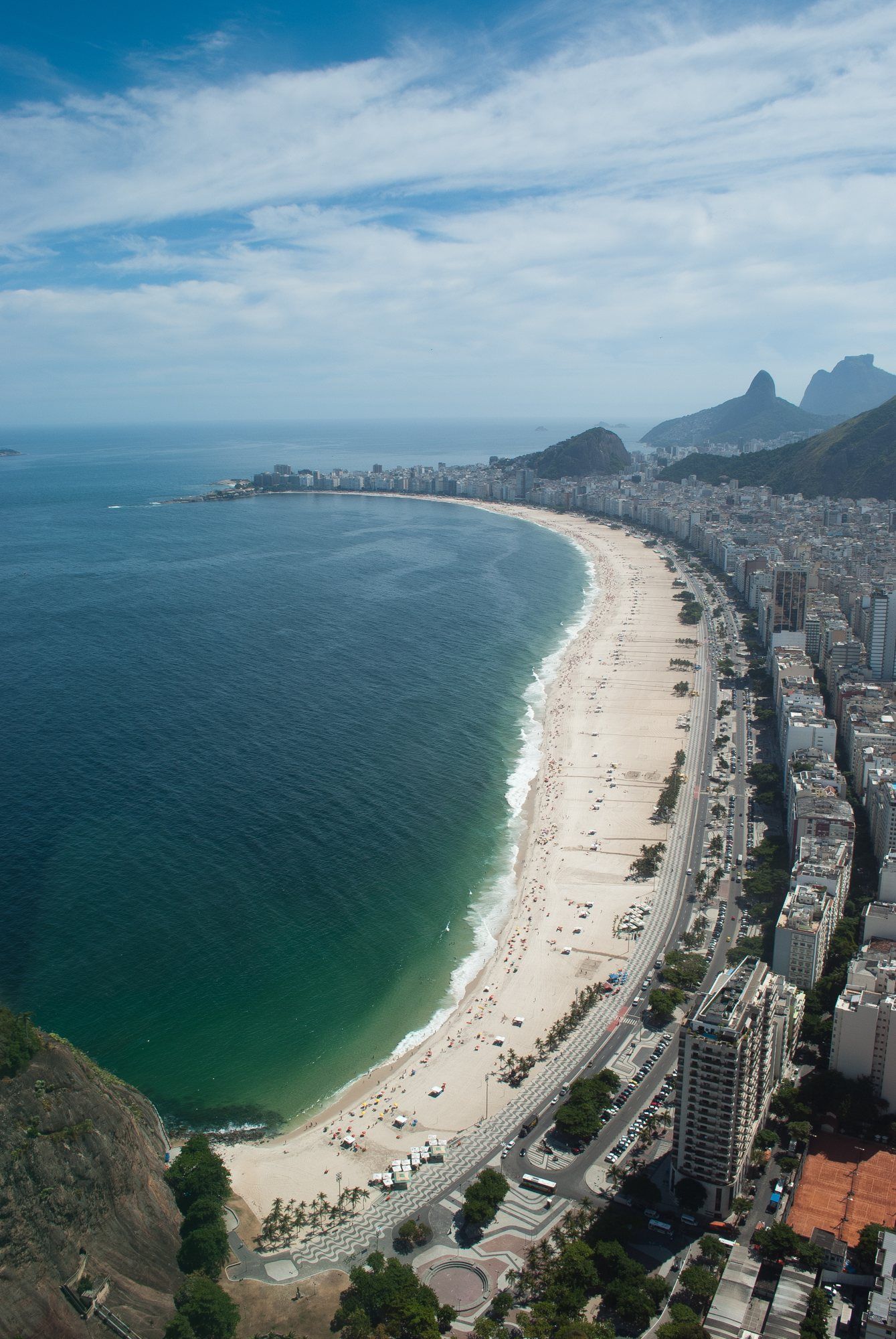 Free accessKids South Zone Copacabana Beach Rio’s most famous beach, with its Portuguese stone wave promenade, kiosks, beach sports and the world’s biggest New Year’s Eve party. See details
 -
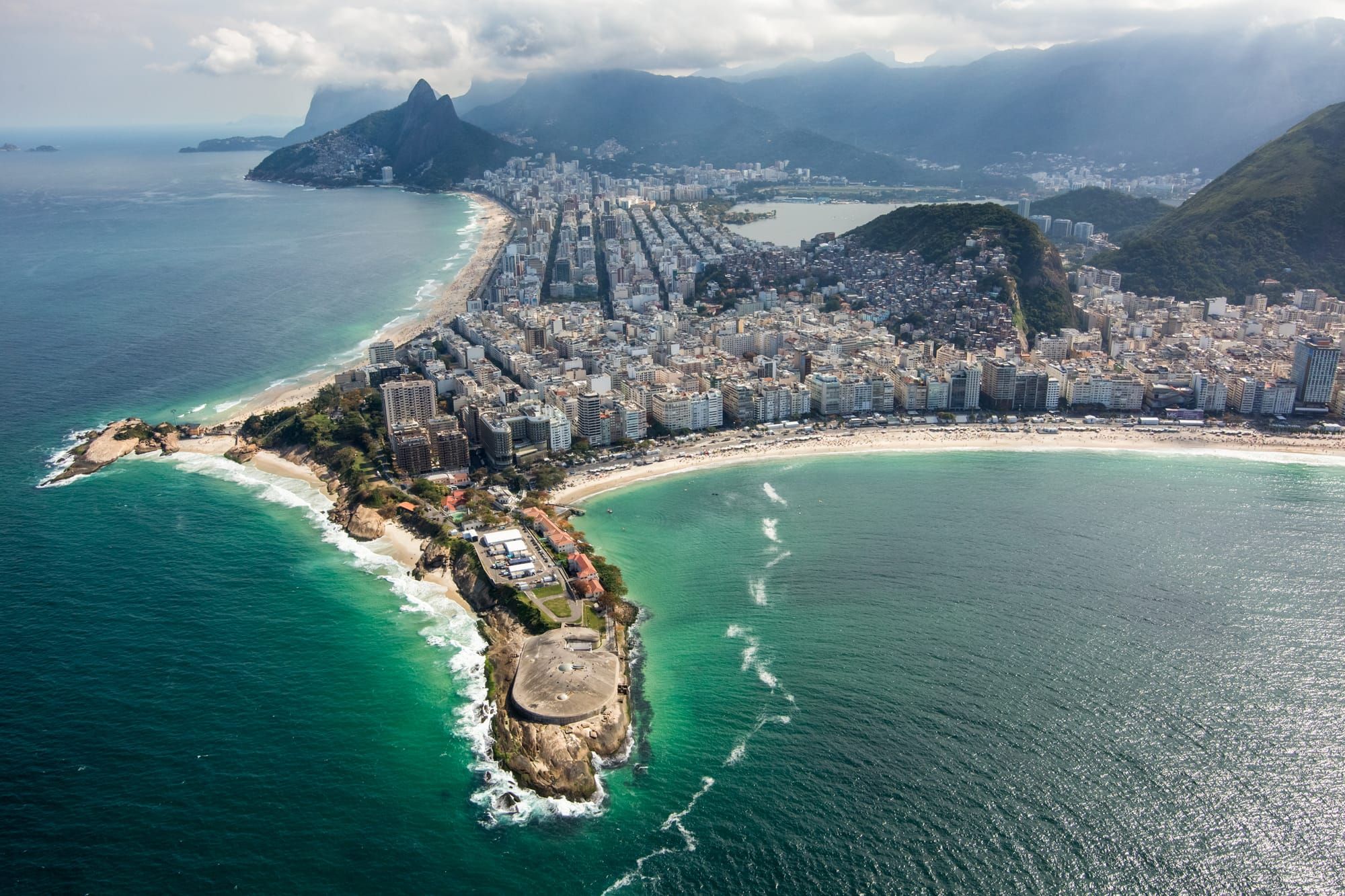 Kids South Zone Copacabana Fort The 1914 fortress at the tip of Copacabana, now the Army History Museum, with one of the finest views of the beach. See details