- Type
- History and culture
- Area
- North Zone
- Requires a hike or uphill walk
- No
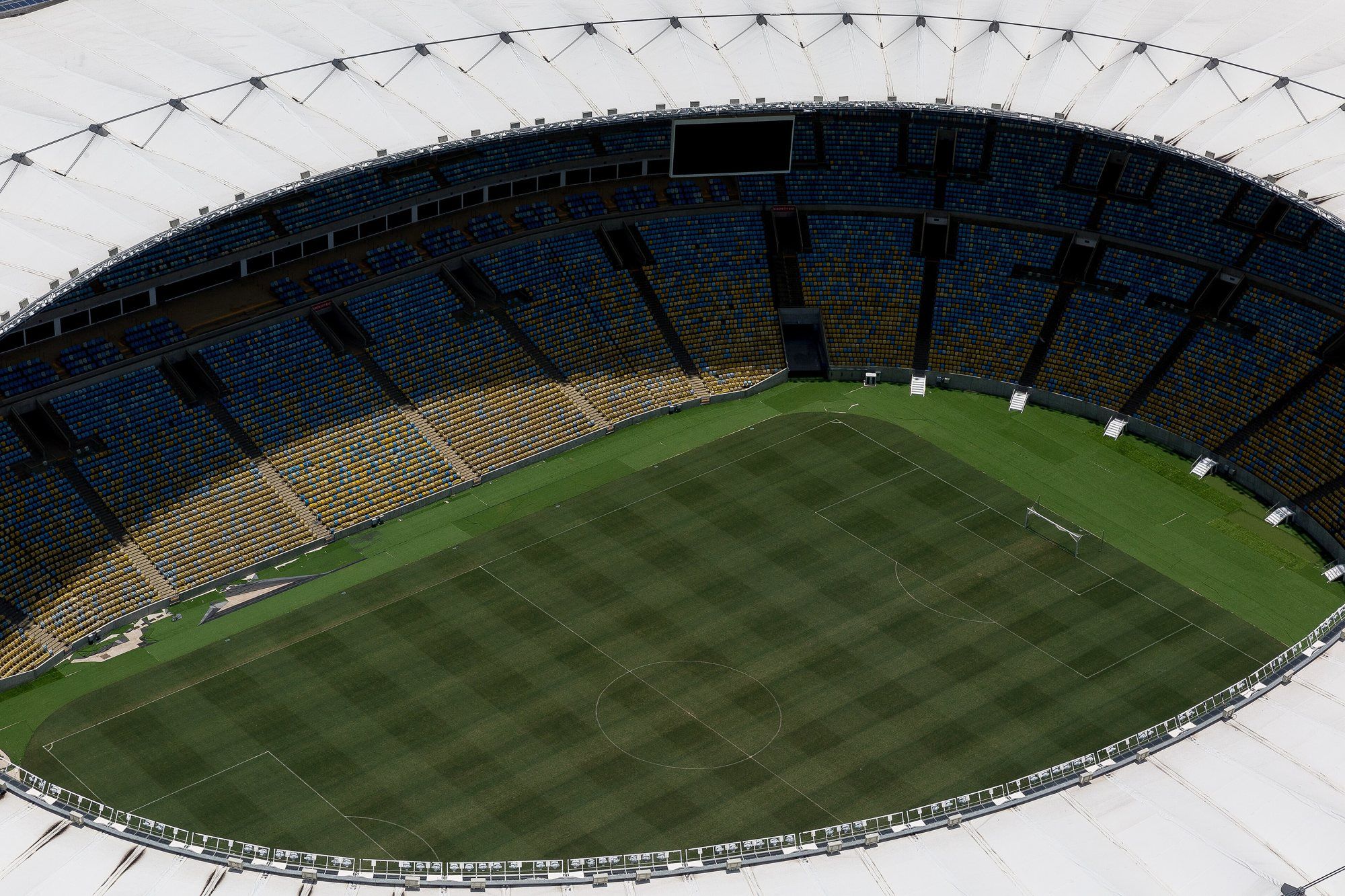
The Estádio Jornalista Mário Filho, the Maracanã, is in the Maracanã neighborhood, in Rio’s North Zone. It opened on June 16, 1950 for that year’s World Cup, according to the stadium’s official portal. With an official capacity of 155,000, it overtook Hampden Park in Glasgow to become the largest stadium in the world at the time, according to Wikipedia. Today it has 78,838 seats and is the largest stadium in Brazil.
The name
The official name honors the journalist Mário Filho, brother of Nelson Rodrigues, who campaigned in the press for a large municipal stadium to be built. The popular name comes from the Maracanã River, which flows through the area. In Tupi, “maracanã” means “like a rattle”, according to Wikipedia.
1950: the World Cup and the Maracanaço
The stadium was built by the city government of what was then the Federal District in 665 days. The first match, a friendly between Rio and São Paulo selections, was played on opening day. The first official match was Brazil 4–0 Mexico, on June 24, 1950, in the World Cup, according to Wikipedia.
On July 16, 1950, Brazil, the favorites and playing at home, lost the deciding match to Uruguay 2–1, in front of about 200,000 people. The episode became known as the Maracanaço and is considered one of the greatest upsets in football history, according to Wikipedia.
Decades of records
In the decades that followed, the Maracanã drew huge crowds. The 1963 Carioca Championship final between Flamengo and Fluminense, the Fla-Flu, recorded 194,603 people, cited as the world record attendance for a club match, according to Wikipedia. The stadium was also the stage for Pelé’s thousandth goal and for major concerts, such as those by Frank Sinatra, Paul McCartney and Tina Turner.
2014 and 2016
For the 2014 World Cup, the Maracanã was renovated, with a new roof and a single ring of seats. It hosted seven matches, including the final on July 13, 2014, in which Germany beat Argentina 1–0 after extra time. It became the second stadium to host two World Cup finals, after Mexico’s Estadio Azteca, according to Wikipedia.
Two years later, it hosted the opening and closing ceremonies of the Rio 2016 Olympic Games and the men’s and women’s football finals. Before that, in 2007, it had hosted the Pan American Games ceremonies. It is also scheduled to host matches of the 2027 Women’s World Cup, including the opening match and the final, according to Wikipedia.
The official tour
The stadium’s official portal, maracana.rio.br, has a Maracanã Tour section selling guided visits, and a Fan Guide with advice for match days.
At the main entrance stands the Bellini Statue, unveiled in 1960, showing a player lifting the Jules Rimet Trophy in honor of the 1958 title. There are also busts and statues of idols such as Zico and Garrincha, according to Wikipedia.
What about the Football Museum?
Brazil’s famous Football Museum (Museu do Futebol) is in São Paulo, at the Pacaembu stadium. At the Maracanã, Wikipedia records a sports museum on the stadium premises, reopened in 2006, with objects such as the ball from Pelé’s thousandth goal. This guide has not confirmed whether it is open today or part of the tour: check the official portal.
Watching a match at the Maracanã
Since 2019, the stadium has been run by Flamengo and Fluminense, which play their home games there, according to Wikipedia. Watching a derby with the stadium full is one of the most memorable experiences in Rio. The step-by-step guide, the clubs and the precautions are in football in Rio for visitors.
Getting there
Maracanã metro station is right next to the stadium, according to the MetrôRio network, and there is also a train station. On match days, the metro is the simplest way there and back. See the lines in getting around Rio.
Nearby, in the North Zone, is the São Cristóvão Fair, with Northeastern music and food. To fit the stadium into your trip, see the 5-day itinerary.
Practical tips
- Use the metro on match days: Maracanã station is right next to the stadium.
- Buy match and tour tickets only through official channels.
- In the away fans' section, do not wear the other team's shirt.
Frequently asked questions
When did the Maracanã open?
On June 16, 1950, according to the stadium's official portal, for that year's World Cup. Its official capacity was 155,000, the largest in the world at the time, according to Wikipedia.
Which World Cup finals has the Maracanã hosted?
Two. On July 16, 1950, Uruguay beat Brazil 2–1, the match known as the Maracanaço. On July 13, 2014, Germany beat Argentina 1–0 after extra time, according to Wikipedia.
Can you visit the Maracanã without a match?
Yes. The stadium's official portal sells the Maracanã Tour. Days, times and prices have not been confirmed by this guide: check the official portal before you go.
What is the Maracanã's current capacity?
After the renovations, 78,838 seats, the largest stadium in Brazil, according to Wikipedia.
Who runs the Maracanã?
Since 2019, Flamengo and Fluminense. Since 2024, it has been managed by Fla-Flu Serviços S.A., a company created by the two clubs, according to Wikipedia.
Pair it with
- North Zone São Cristóvão Fair A giant pavilion devoted to the culture of Brazil's Northeast, with forró, repentistas, food and typical products. Another Brazil inside Rio. See details
- Downtown and Lapa Marquês de Sapucaí Sambadrome Oscar Niemeyer's concrete parade avenue where the samba schools parade. In January, the technical rehearsals are open to the public. See details
-
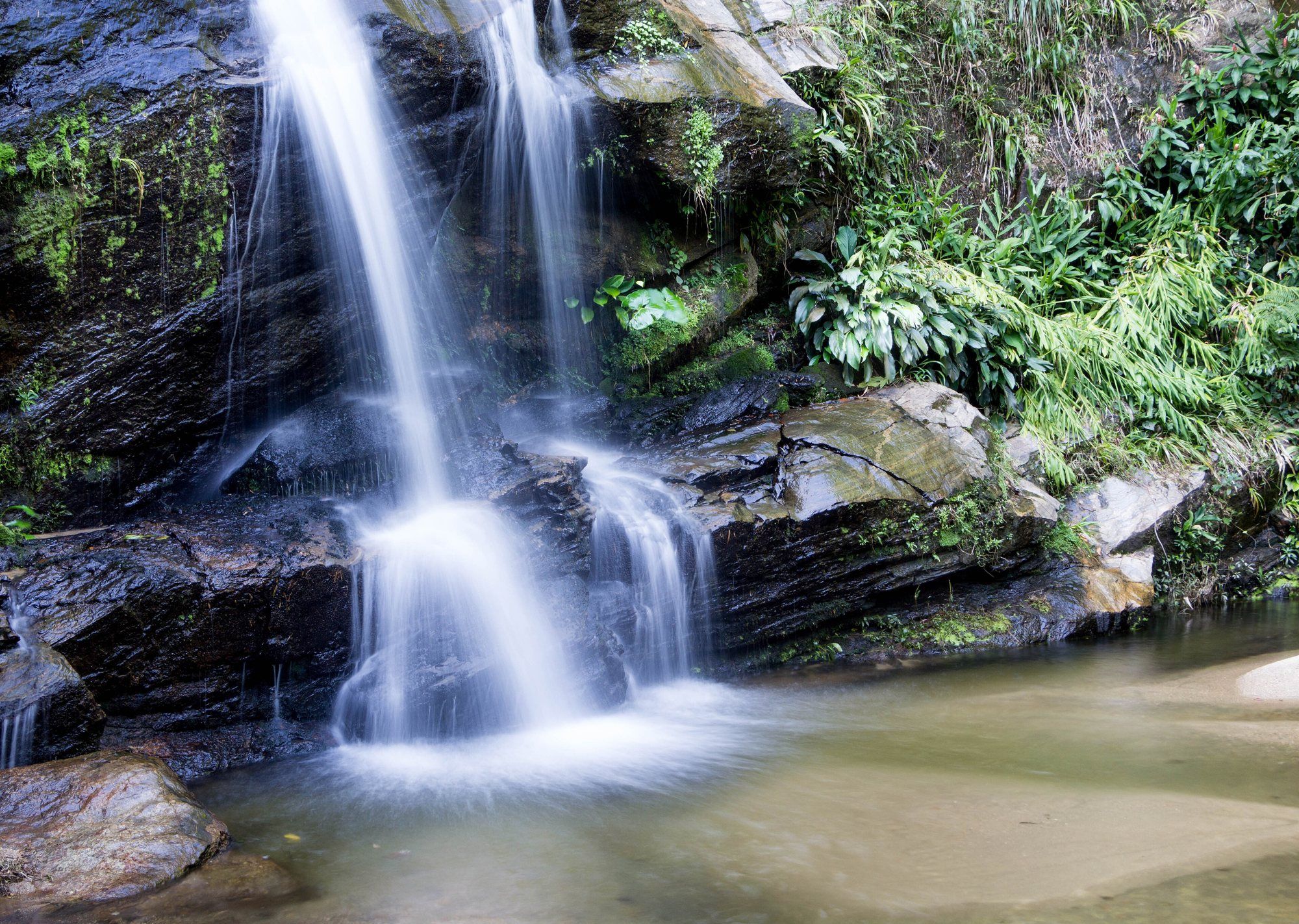 Kids North Zone Tijuca National Park The forest Emperor Pedro II ordered protected and replanted in 1861. Today it is home to Christ the Redeemer, waterfalls, viewpoints and the city's main trails. See details