- Type
- History and culture
- Area
- Downtown and Lapa
- Free entry
- Yes
- Requires a hike or uphill walk
- No
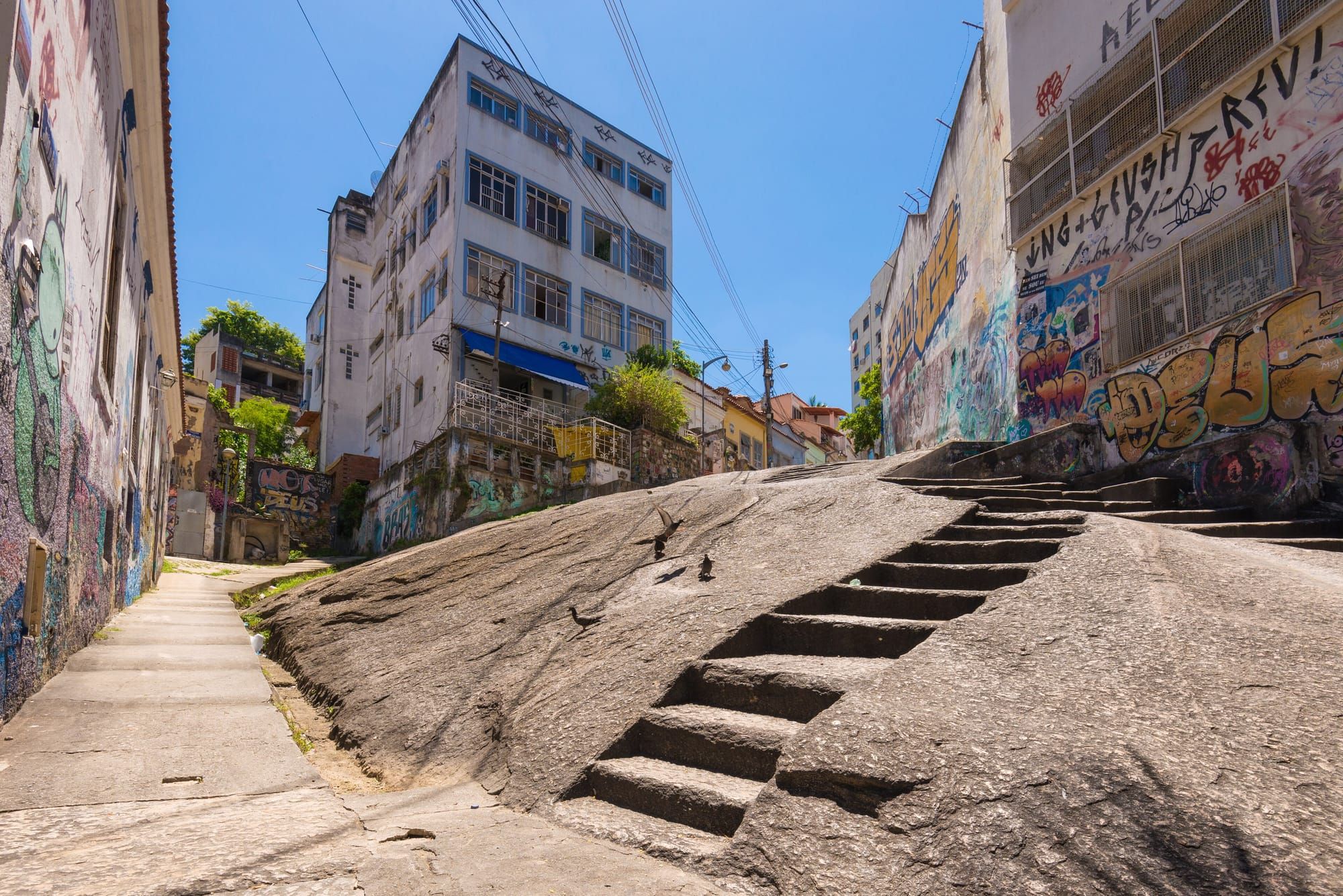
Pedra do Sal (Salt Rock) is a large rock in the Saúde neighborhood, in the Port Zone, about 100 meters from Largo da Prainha. Steps carved into the rock itself climb from Largo João da Baiana up to Morro da Conceição. Heritage-listed by Inepac on November 20, 1984, it is considered the symbolic heart of Little Africa, according to Wikipedia.
From salt to samba
The name comes from the colonial port: salt arriving by ship was unloaded there by enslaved workers and carried to the area’s warehouses. From the 19th century, Saúde received many Black migrants from Bahia, who brought religious houses (terreiros), festivals and music.
In this setting grew names linked to the origins of carioca samba, such as Donga, João da Baiana, Pixinguinha and Heitor dos Prazeres, who gathered in the area, according to Wikipedia. One of the central figures was Hilária Batista de Almeida from Bahia, known as Tia Ciata, whose house brought together musicians and parties.
The quilombola community
Pedra do Sal is also home to the Pedra do Sal Quilombo Remnant Community, certified as an urban quilombo (a community descended from people who resisted slavery) by the Palmares Cultural Foundation in 2005, according to Wikipedia. Remember that it is a residential neighborhood: move around respectfully.
The samba circle
Today the rock is the stage for open-air samba circles (rodas de samba), held mainly on Mondays and Fridays, according to Wikipedia. The circle takes place in the street, at the foot of the steps, with the audience gathered around the musicians.
Getting there
Pedra do Sal is in Saúde, near Praça Mauá. By day, you can combine it with Valongo Wharf, the Rio Art Museum and the Olympic Boulevard. The VLT Carioca light rail serves the Port Zone: see the lines in getting around Rio.
For other music nights, see samba and nightlife in Lapa.
Practical tips
- Confirm the day of the samba circle before you go: the schedule changes.
- Bring small change or a card, and little in your pockets.
- When leaving at night, use a taxi or ride-hailing app called to the spot.
Frequently asked questions
Why is it called Pedra do Sal?
Because in colonial times the salt (sal) arriving at the port was unloaded onto the rock by enslaved workers and distributed to the surrounding warehouses, according to Wikipedia.
On which days is there samba at Pedra do Sal?
According to Wikipedia, the samba circles take place mainly on Mondays and Fridays. Days and times change: confirm on the organizers' channels before you go.
Is Pedra do Sal a quilombo?
The site is home to the Pedra do Sal Quilombo Remnant Community, certified as an urban quilombo by the Palmares Cultural Foundation in 2005, according to Wikipedia.
Pair it with
- Free access Downtown and Lapa Valongo Wharf and Little Africa The old wharf where hundreds of thousands of enslaved Africans landed, recognized by UNESCO in 2017, and the neighborhood that kept that memory alive. See details
- Downtown and Lapa Rio Art Museum (MAR) An eclectic mansion and an old bus terminal joined by a wave-shaped roof, on Praça Mauá. See details
-
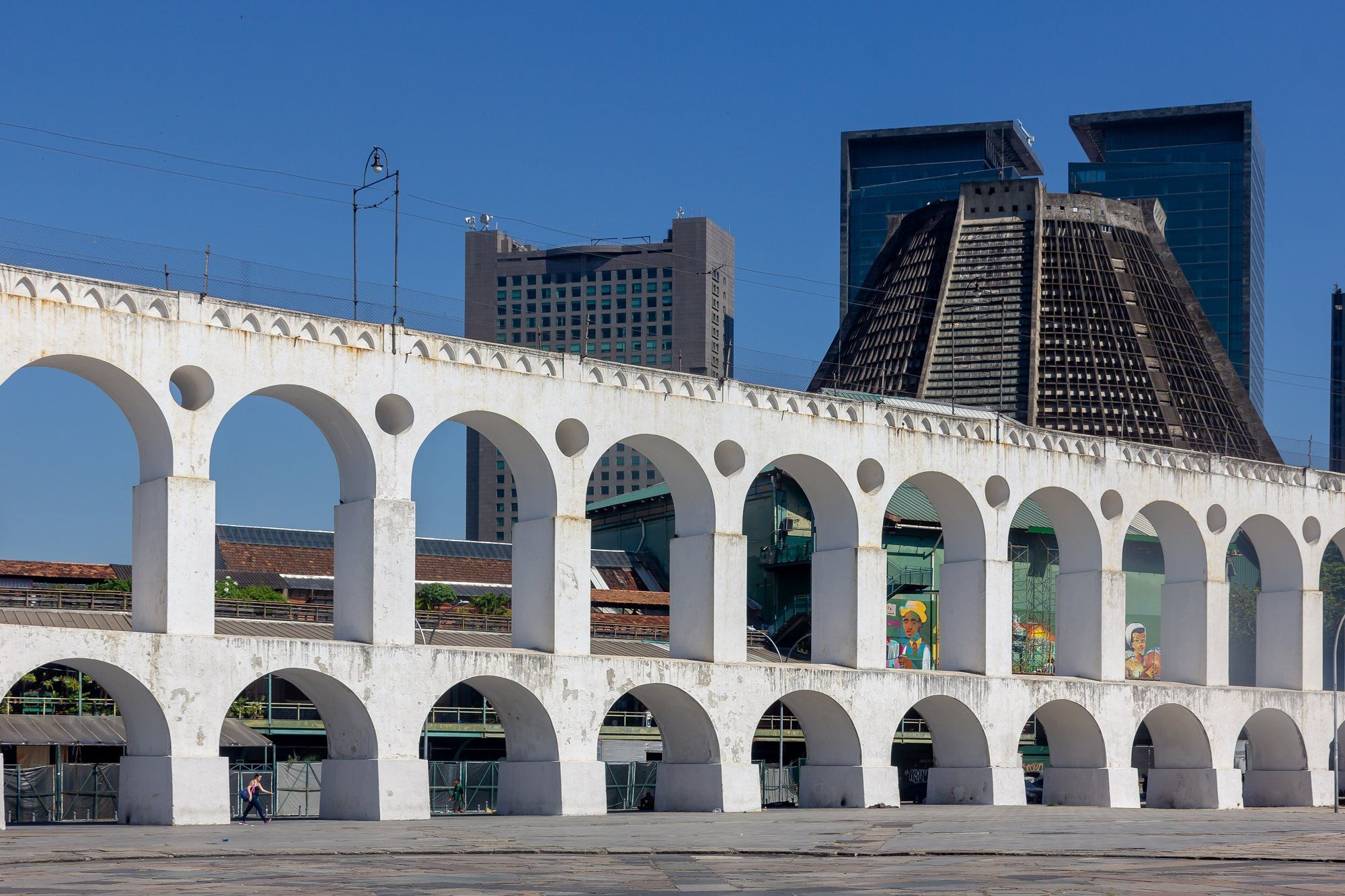 Free access Downtown and Lapa Lapa and the Lapa Arches The old aqueduct that became a postcard, and the bohemian neighborhood of samba circles at the foot of Santa Teresa. See details