- Type
- History and culture
- Area
- South Zone
- Good for kids
- Yes
- Requires a hike or uphill walk
- No
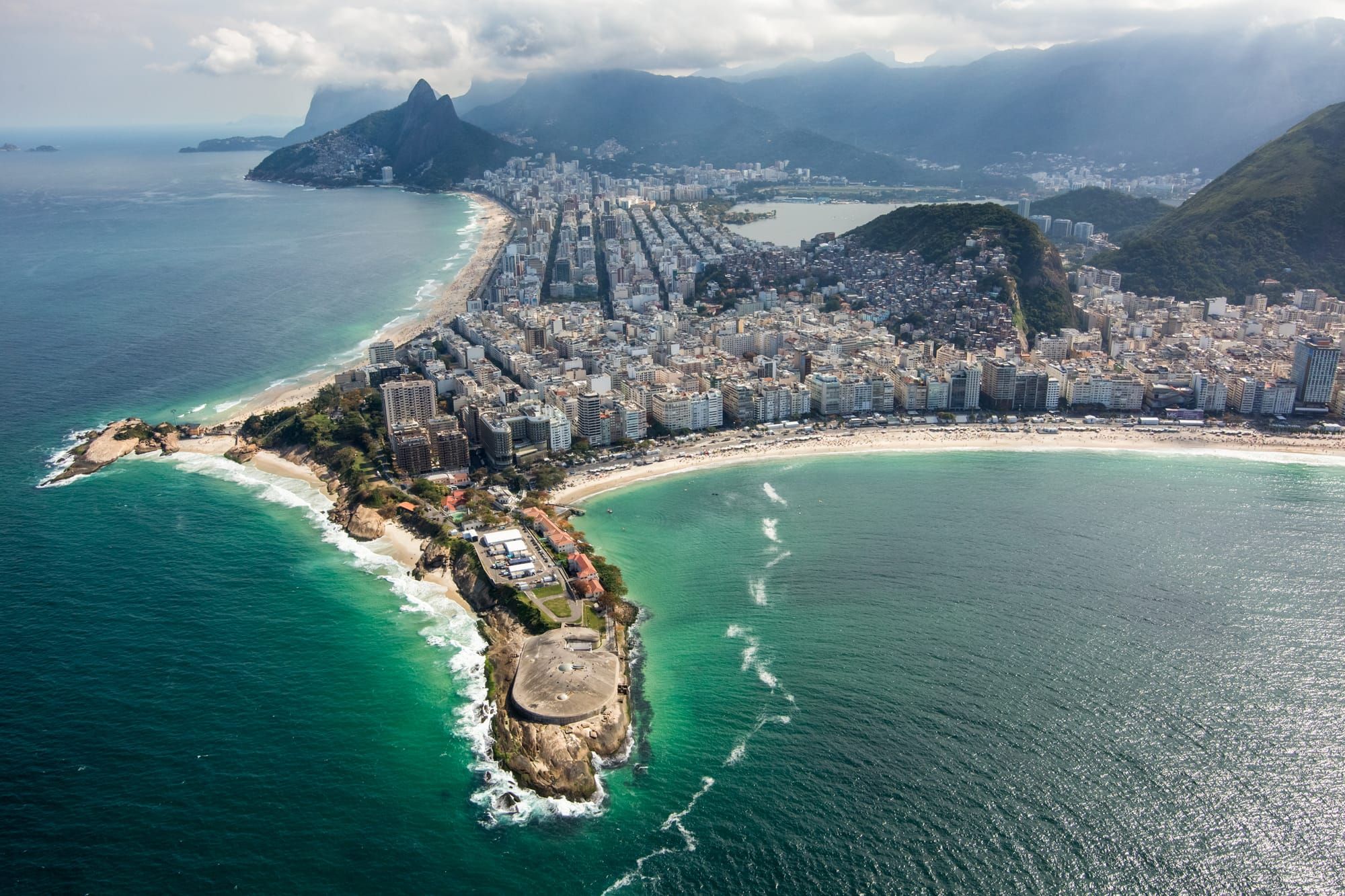
Copacabana Fort occupies the rocky point that closes off the beach to the south, between Copacabana and Arpoador. Officially, it is the Army History Museum and Copacabana Fort (Museu Histórico do Exército e Forte de Copacabana). According to Wikipedia, it receives about ten thousand visitors a month, who choose between visiting the outdoor areas and the full visit, including the inside of the fort and the museum.
A modern fortress in 1914
Since the 18th century there had been plans to fortify the old Igrejinha point, where the chapel of Nossa Senhora de Copacabana stood. The current fort only got off the ground in the early 20th century, to protect what was then the capital against modern warships.
Construction began on January 5, 1908, attended by President Afonso Pena. The German-made guns arrived dismantled in five thousand crates and were landed at a wharf built just for the purpose. The fort opened on September 28, 1914 and was considered the most modern fortification in South America, according to Wikipedia. The small church that gave the neighborhood its name was demolished in 1919 to build the barracks.
At the entrance is the portal with the Latin inscription “Si vis pacem para bellum”, “if you want peace, prepare for war”.
The 18 of the Fort
The fort was the stage for a well-known episode in Brazilian history: the uprising of the 18 of the Fort (18 do Forte), from July 2 to 6, 1922. The rebels fired on other fortresses around the bay and the fort was bombarded, according to Wikipedia.
The museum
When the coastal artillery batteries were decommissioned, the Army created the Army History Museum in the fort’s buildings in 1987, turning it into a cultural space, according to Wikipedia. The visit combines military history, the old artillery domes and a lookout over the sea.
The view
The fort juts out into the sea and, from the top, the whole curve of Copacabana appears all the way to Leme and Sugarloaf Mountain. On the other side, the view takes in Ipanema, Dois Irmãos Hill and Pedra da Gávea. It is one of the good spots for photographing the Copacabana promenade and the seafront.
Getting there
The fort is at the end of Avenida Atlântica, on Praça Coronel Eugênio Franco, at Posto 6, according to Wikipedia. By metro, the nearest stations are General Osório, in Ipanema, and Cantagalo, in Copacabana, according to the MetrôRio network. See the lines in getting around Rio.
Combine with
- Copacabana Beach and the promenade, on foot.
- Sunset at Arpoador, right next door.
- The Copacabana Palace, halfway along the seafront.
Practical tips
- Check opening hours and tickets on the Army's official channel before you go.
- From the top of the fort you can see the whole curve of Copacabana to Leme.
- Carry on to the sunset at Arpoador, a few minutes' walk away.
Frequently asked questions
When was Copacabana Fort built?
Construction began on January 5, 1908, and the fort opened on September 28, 1914, according to Wikipedia. The guns arrived dismantled from Germany.
What is there to see at Copacabana Fort?
The Army History Museum, created in 1987, the outdoor areas with views of the beach and, on the full visit, the interior of the fortification, according to Wikipedia.
What were the 18 of the Fort?
An uprising of soldiers against the government, from July 2 to 6, 1922, with the fort as its stage, according to Wikipedia.
How much does it cost to visit Copacabana Fort?
This guide could not confirm prices and opening hours with an official source. Check the Army's official channel before you go.
Pair it with
-
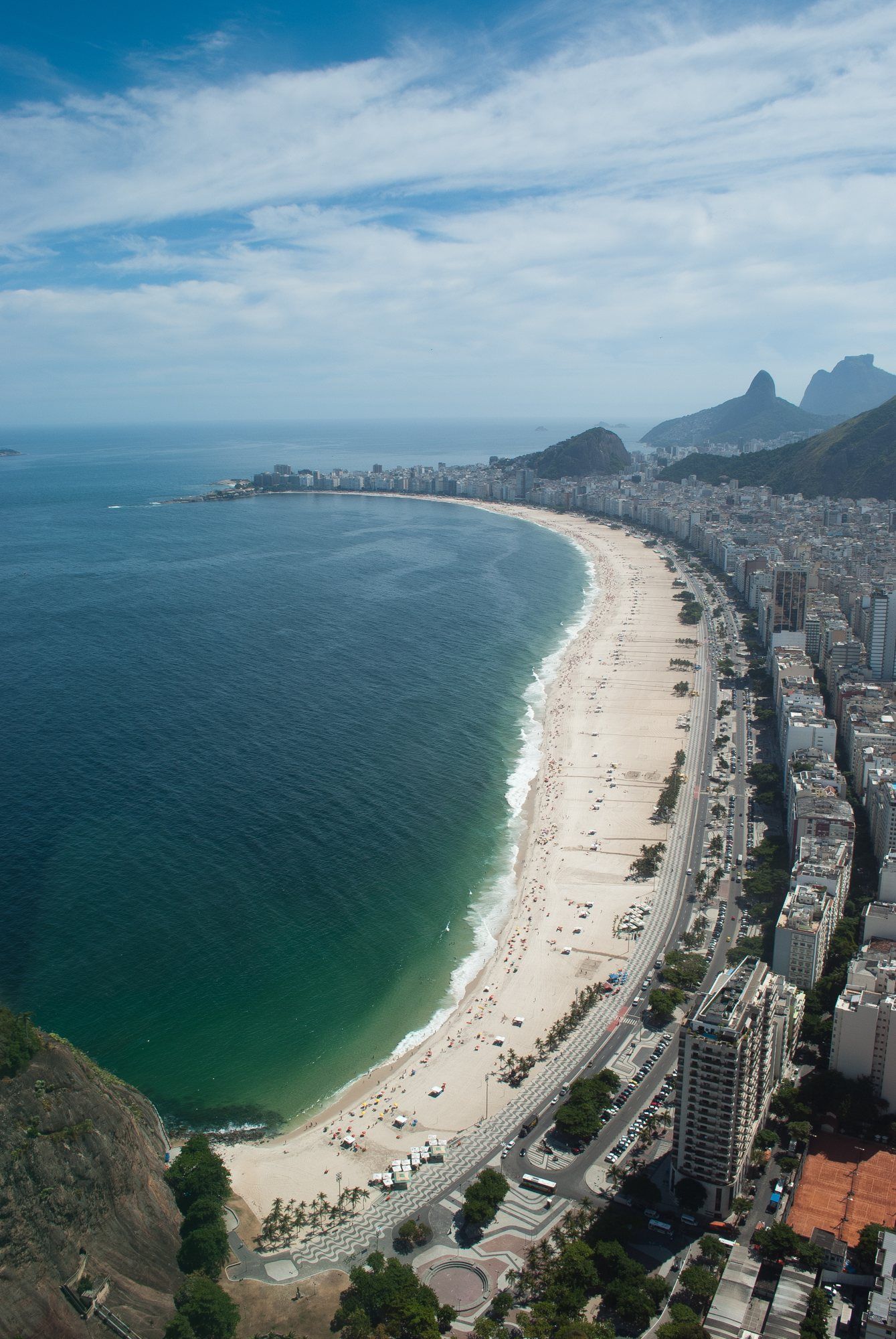 Free accessKids South Zone Copacabana Beach Rio’s most famous beach, with its Portuguese stone wave promenade, kiosks, beach sports and the world’s biggest New Year’s Eve party. See details
 -
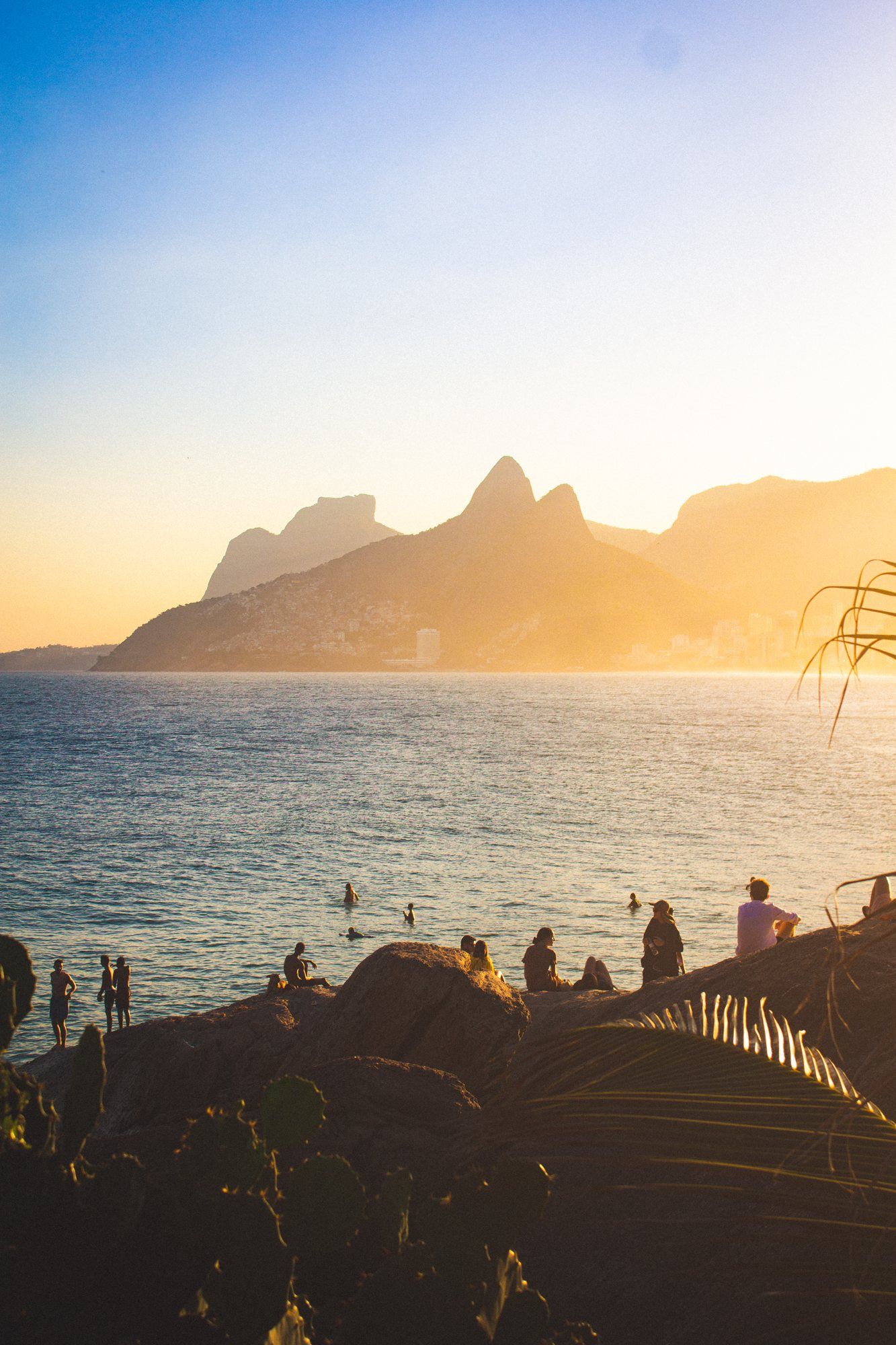 Free access South Zone Arpoador The rock between Copacabana and Ipanema where locals applaud the sunset. Below it, a small surf beach. See details
 -
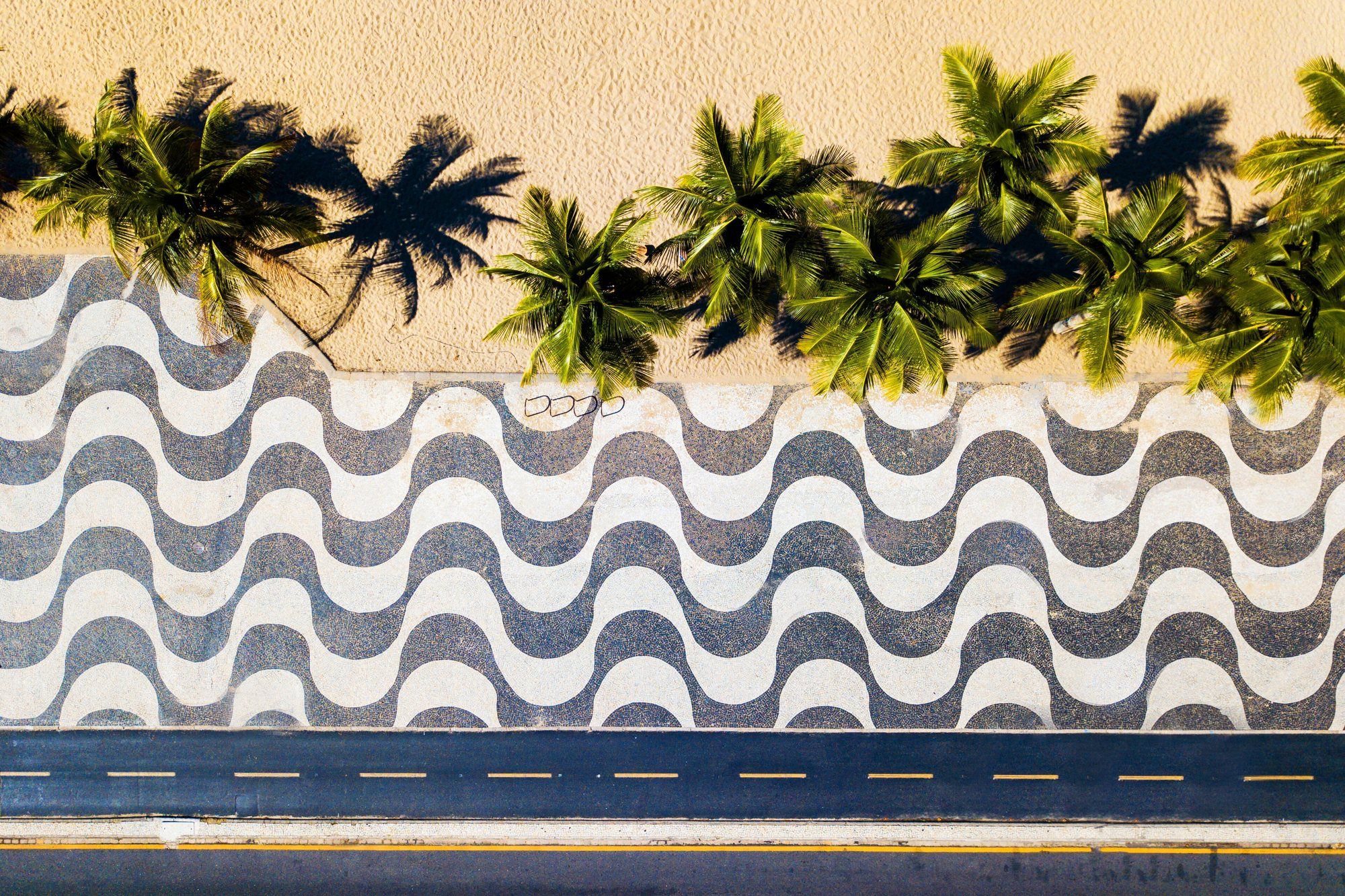 Free accessKids South Zone Copacabana promenade (Calçadão) The Portuguese-stone waves came before Burle Marx. He turned them parallel to the sea and designed the mosaics along the rest of Avenida Atlântica. See details