
Plan
Carioca Landscapes: a UNESCO World Heritage Site
UNESCO's first recognition of an urban cultural landscape: mountains, forest, bay and beaches shaped by the city.
Updated on October 7, 2026 ✓ Information verified on October 6, 2026 adapted version of the Portuguese original
On July 1, 2012, UNESCO inscribed “Rio de Janeiro: Carioca Landscapes between the Mountain and the Sea” on the World Heritage List, according to Wikipedia. The recognition was based on a study by Iphan (Brazil’s national heritage institute) of how the city creatively adapted to the natural features that guided its growth.
What was recognized
It is not a single monument but the relationship between the city and nature. The ensemble includes:
- The mountains: Sugarloaf Mountain, Corcovado and the ranges of the Tijuca massif.
- The forest: Tijuca National Park, replanted from 1861 onward.
- The gardens: the Botanical Garden.
- The designed waterfront: Guanabara Bay, Flamengo Park (Aterro do Flamengo) and the Copacabana promenade.
The exact list of areas and the official statement are on the site’s page on the UNESCO World Heritage Centre website.
Where to see the landscape
- From the top of Sugarloaf Mountain, in the late afternoon.
- From Mirante Dona Marta, with the bay head-on.
- From the Arpoador rock, with Dois Irmãos Hill and Pedra da Gávea.
Plan a day of viewpoints with the Rio viewpoints guide.
Places mentioned
-
 PaidKids South Zone Sugarloaf Mountain and its cable car The cable car climbs from Praia Vermelha to Urca Hill and on to Sugarloaf, 396 meters above the bay. The sunset from the top is the most sought-after in town. See details
 -
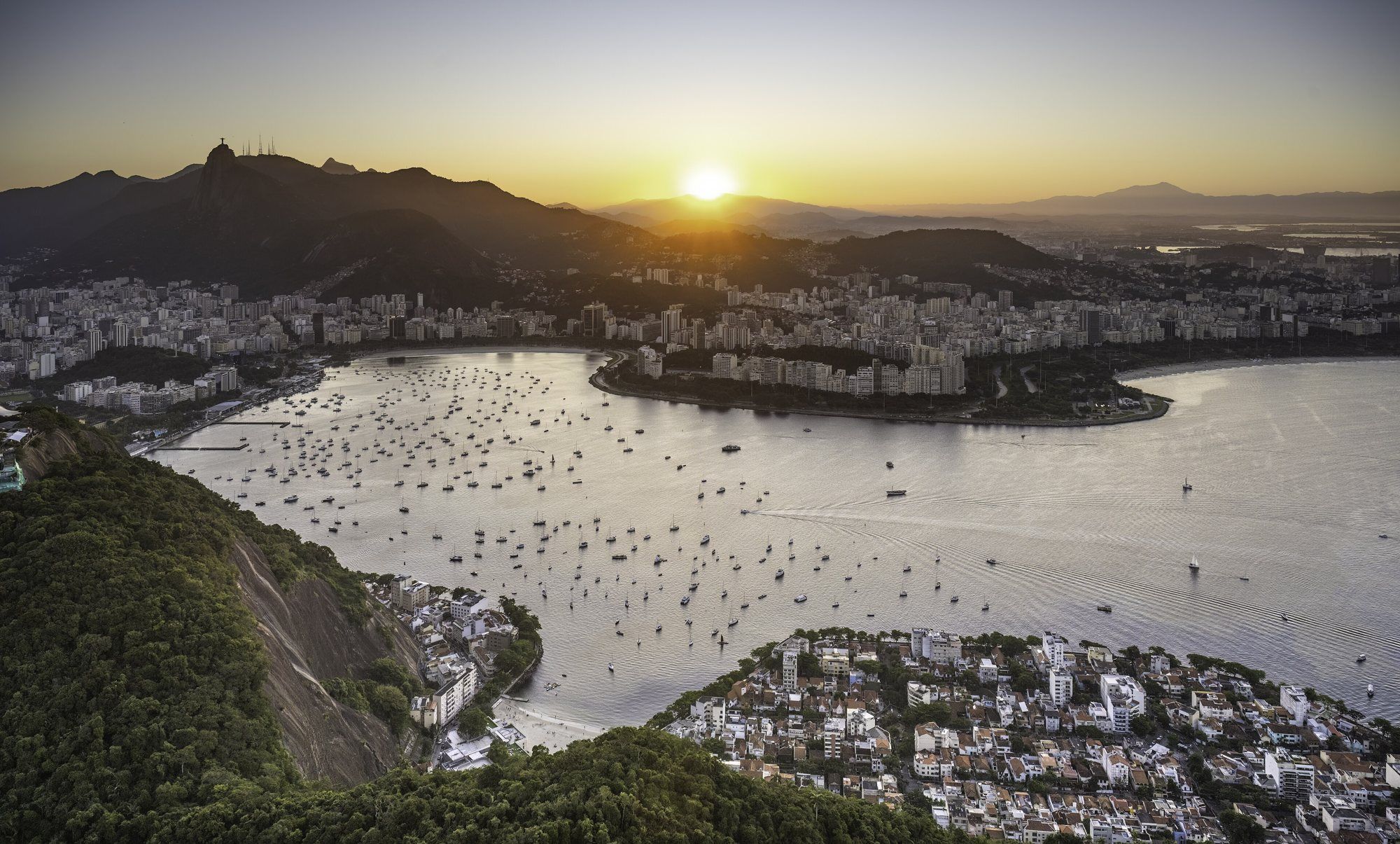 Paid South Zone Christ the Redeemer The statue on top of Corcovado, about 709 meters above sea level, inside Tijuca National Park. Go up by train, official van or on foot. See details
 -
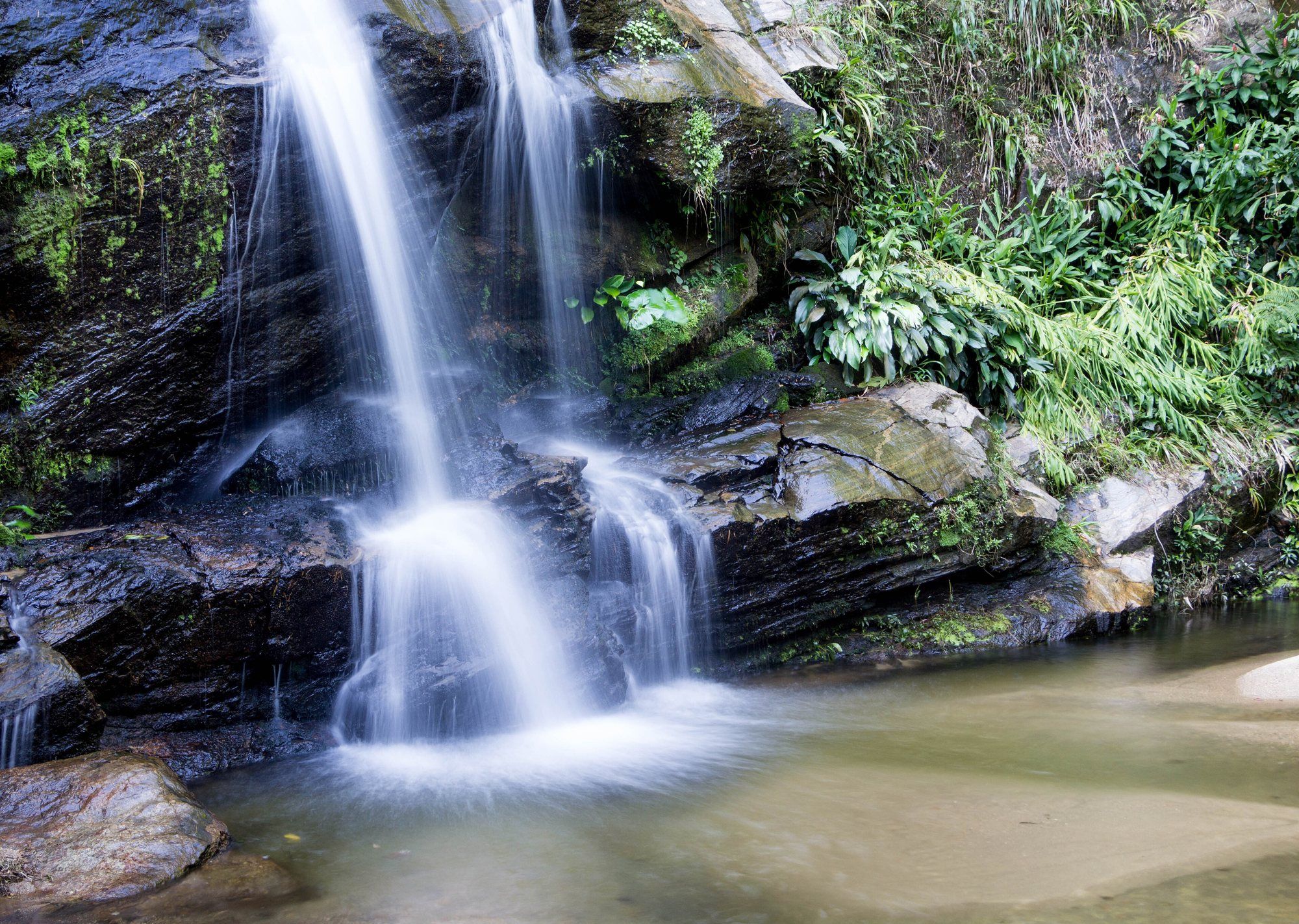 Kids North Zone Tijuca National Park The forest Emperor Pedro II ordered protected and replanted in 1861. Today it is home to Christ the Redeemer, waterfalls, viewpoints and the city's main trails. See details
 -
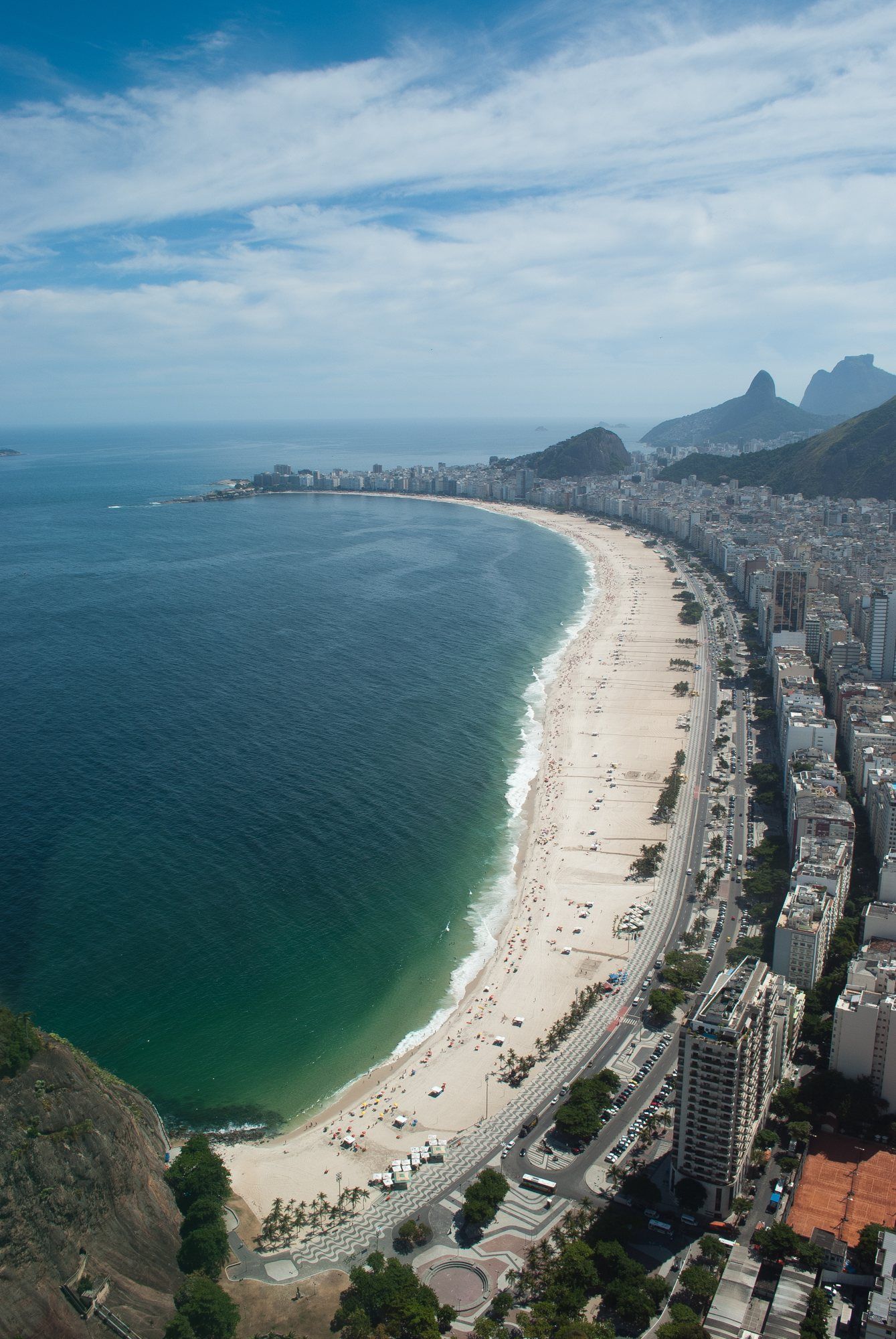 Free accessKids South Zone Copacabana Beach Rio’s most famous beach, with its Portuguese stone wave promenade, kiosks, beach sports and the world’s biggest New Year’s Eve party. See details
Frequently asked questions
When did Rio become a World Heritage Site?
On July 1, 2012, with the inscription of the Carioca Landscapes between the Mountain and the Sea.
Is Christ the Redeemer a World Heritage Site?
UNESCO's recognition covers the landscape, which includes Corcovado and the Tijuca massif. Check the official boundaries on the World Heritage Centre website.
Keep reading
Keep planning
-
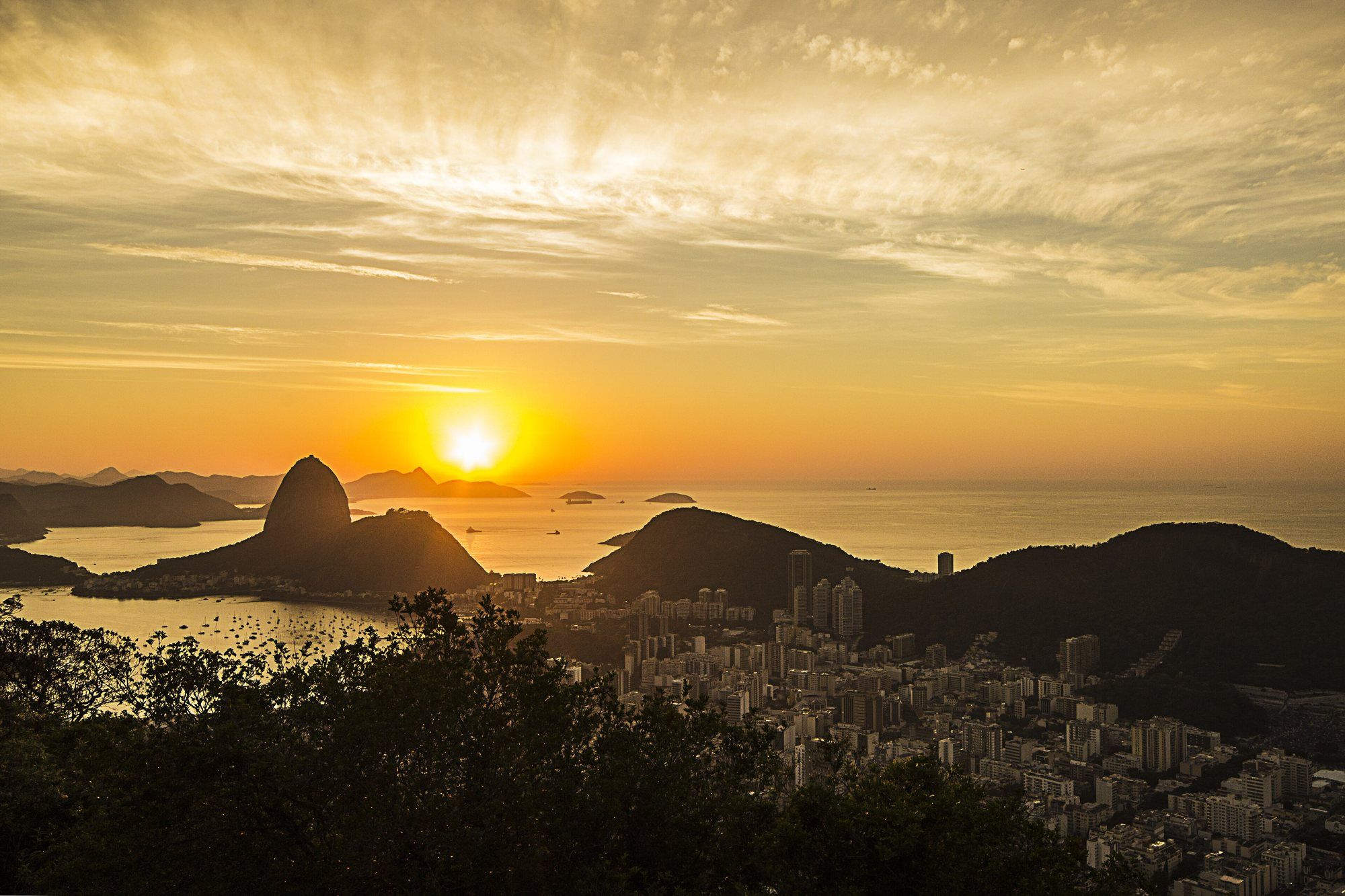 Rio de Janeiro viewpoints From the top of Corcovado to the Arpoador rock: where to see Rio from above, and when. Read guide
 -
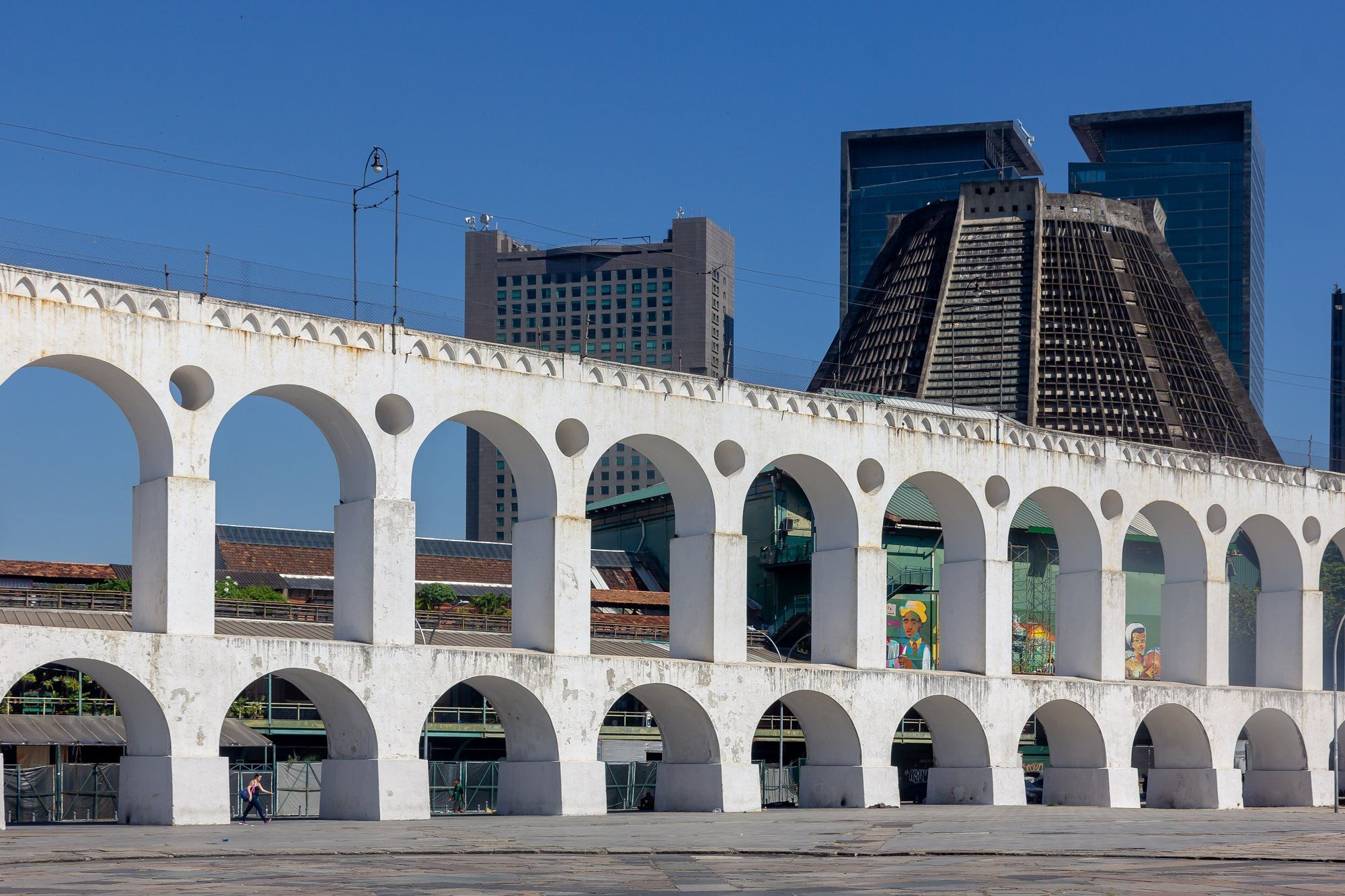 A short history of Rio de Janeiro The key moments in the city's history and where to see them today. Read guide
 -
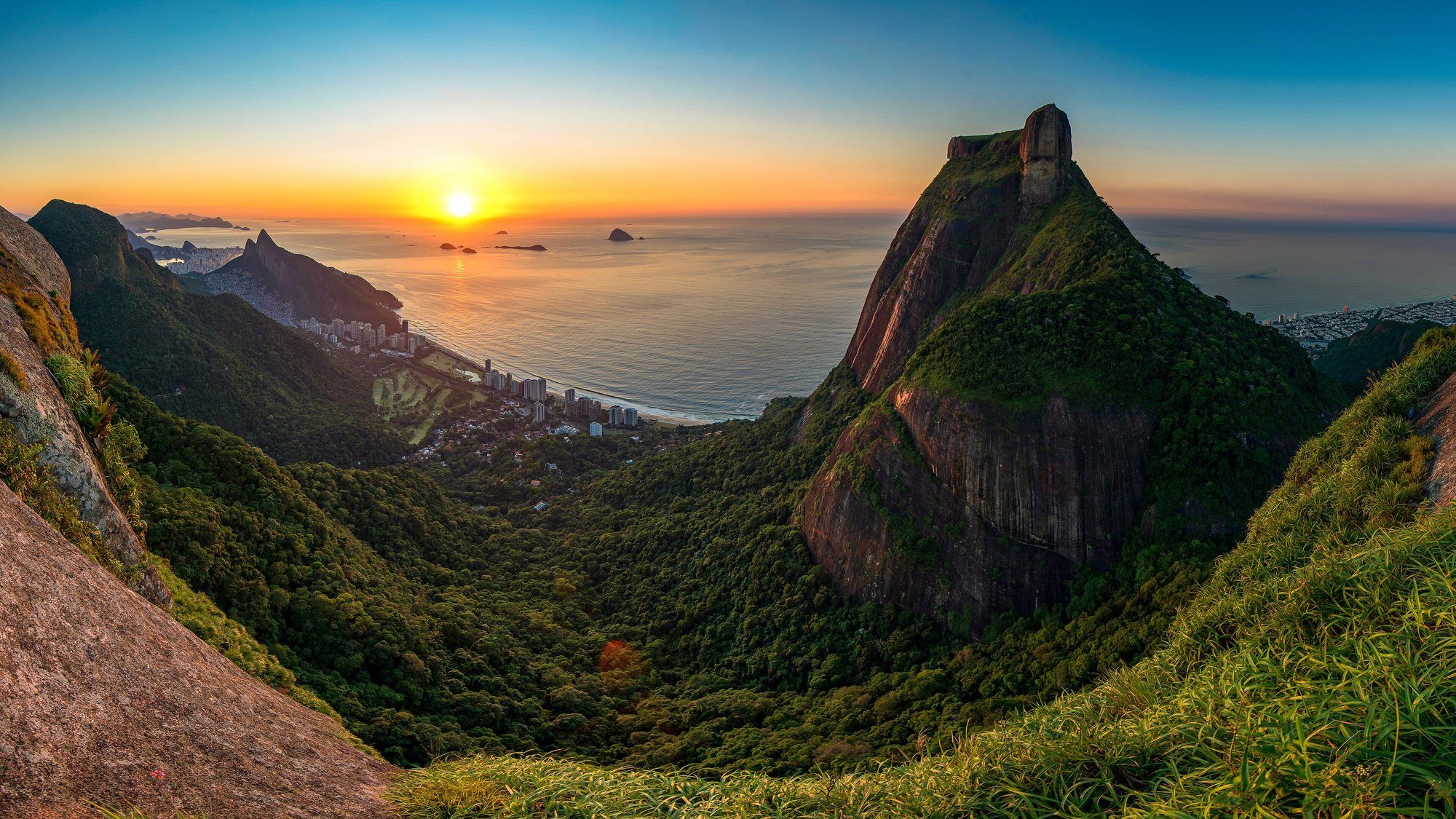 Hiking in Rio de Janeiro Walks in the Atlantic Forest with sea views, in order of difficulty, and the rules that apply to all of them. Read guide