- Type
- History and culture
- Area
- Downtown and Lapa
- Free entry
- Yes
- Requires a hike or uphill walk
- No
Valongo Wharf (Cais do Valongo) is an old stone wharf in Rio’s Port Zone, between Rua Coelho e Castro and Rua Sacadura Cabral. It was here that most of the enslaved Africans brought to Rio in the early 19th century were landed. In July 2017, the archaeological site was inscribed on the UNESCO World Heritage List as it is considered the only material trace of the arrival of enslaved Africans in the Americas, according to Wikipedia.
It is a place of memory, not a leisure attraction. It is well worth visiting to understand the history of Rio and of Brazil.
What happened at Valongo
Until the 1770s, enslaved Africans were landed near today’s Praça XV and sold on the old Rua Direita, now Rua Primeiro de Março. In 1774, the viceroy moved this market to the Valongo area, away from the city’s main streets.
The wharf was built in 1811 and operated until 1831, when the transatlantic slave trade was banned under pressure from Britain. In those twenty years, between 500,000 and one million Africans landed there, mainly from Angola and from West-Central and East Africa, according to Wikipedia. After the ban, the trade continued clandestinely through other ports.
Buried twice
In 1843, the wharf was covered over to build a new landing stage, the Empress’s Wharf (Cais da Imperatriz), made for the arrival of Princess Teresa Cristina, the future wife of Emperor Pedro II. In the early 20th century, with Mayor Pereira Passos’s urban reform, both wharves disappeared under new landfill.
In 2011, excavations for the Port Zone regeneration works uncovered both landing stages, one on top of the other. Amulets and ritual objects from the Congo, Angola and Mozambique were found alongside them, according to Wikipedia. Iphan and the city prepared the UNESCO nomination, approved in 2017. In November 2023, the site received new signage and a memorial sculpture, according to the English Wikipedia.
Little Africa
Between 1850 and 1920, the area around the old wharf was settled by Africans and people of African descent, enslaved and free, from many nations. The samba musician and painter Heitor dos Prazeres called the area Little Africa (Pequena África). It covers the Saúde, Gamboa and Santo Cristo neighborhoods, according to Wikipedia.
It was here that musicians linked to the origins of samba gathered. The symbol of that meeting is Pedra do Sal, a few minutes’ walk from the wharf, considered the symbolic heart of Little Africa.
How to visit
The archaeological site is open-air, in Praça Jornal do Comércio, in the Port Zone. The wharf stones lie below street level and can be seen from around the site, with information panels.
- Respect: this is a place tied to the suffering of millions of people. Take photos discreetly.
- By day: visit in daylight and continue on to other spots in the area.
- On foot: Praça Mauá, with the Rio Art Museum, and the Museum of Tomorrow are in the same Port Zone, connected by the Olympic Boulevard.
For the city’s history, also read history of Rio de Janeiro.
Practical tips
- The site is open-air and can be seen from around it, with no ticket.
- Read the information panels before taking photos: it is a place of memory.
- Combine it with Pedra do Sal and Praça Mauá, in the same area.
Frequently asked questions
Why is Valongo Wharf a World Heritage Site?
Because it is considered the only material trace of the arrival of enslaved Africans in the Americas. It was inscribed on the UNESCO World Heritage List in July 2017, according to Wikipedia.
How many people landed at Valongo Wharf?
Between 1811 and 1831, between 500,000 and one million enslaved Africans landed there, according to Wikipedia.
What is Little Africa?
It is the name the samba musician and painter Heitor dos Prazeres gave to the port area, in the Saúde, Gamboa and Santo Cristo neighborhoods, where enslaved and freed Africans and people of African descent lived between 1850 and 1920.
Do you have to pay to see Valongo Wharf?
The archaeological site is in a public square, Praça Jornal do Comércio, and can be seen from around it.
Pair it with
-
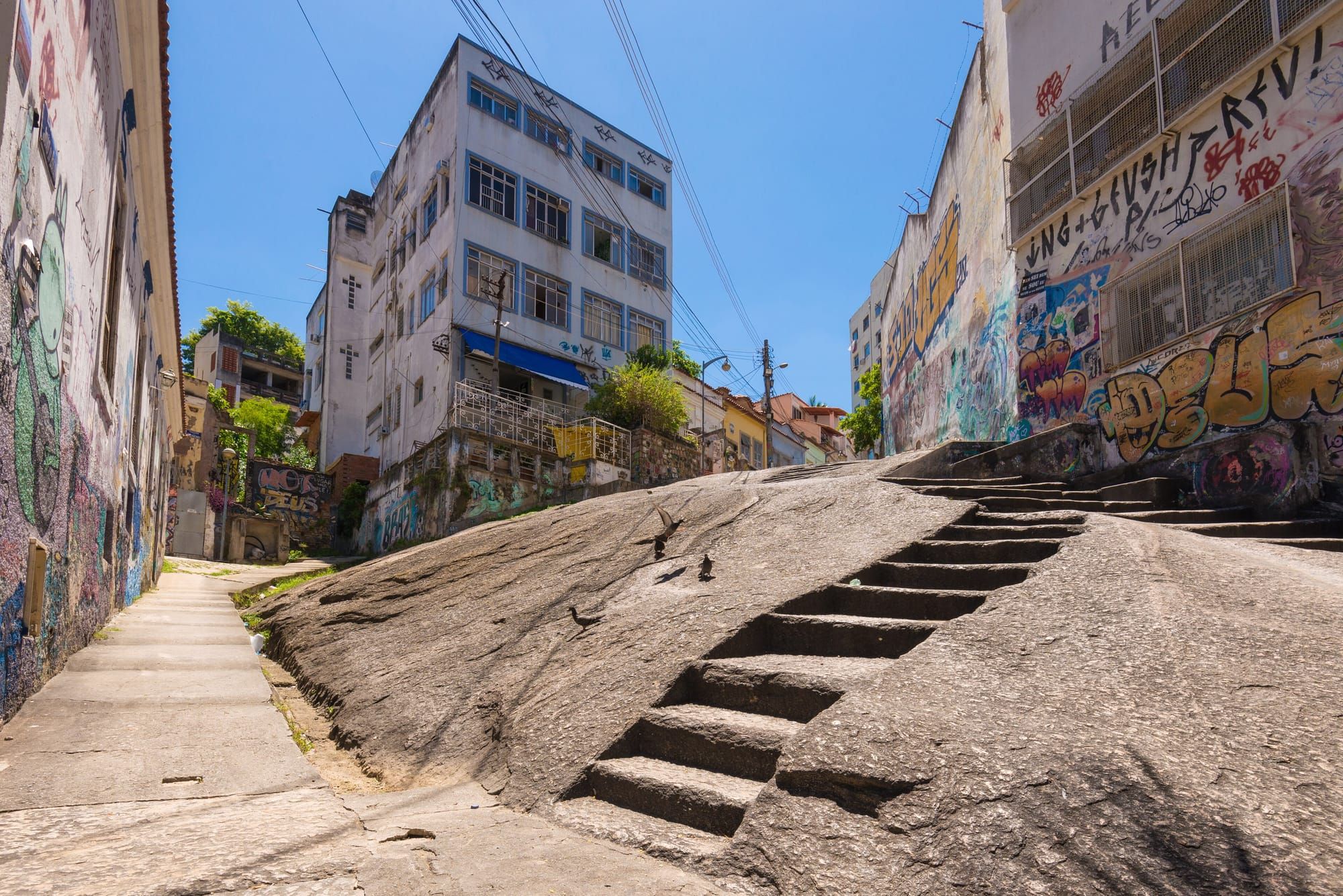 Free access Downtown and Lapa Pedra do Sal The rock with carved steps in the Saúde neighborhood, linked to the origins of carioca samba and to open-air samba circles. See details
 -
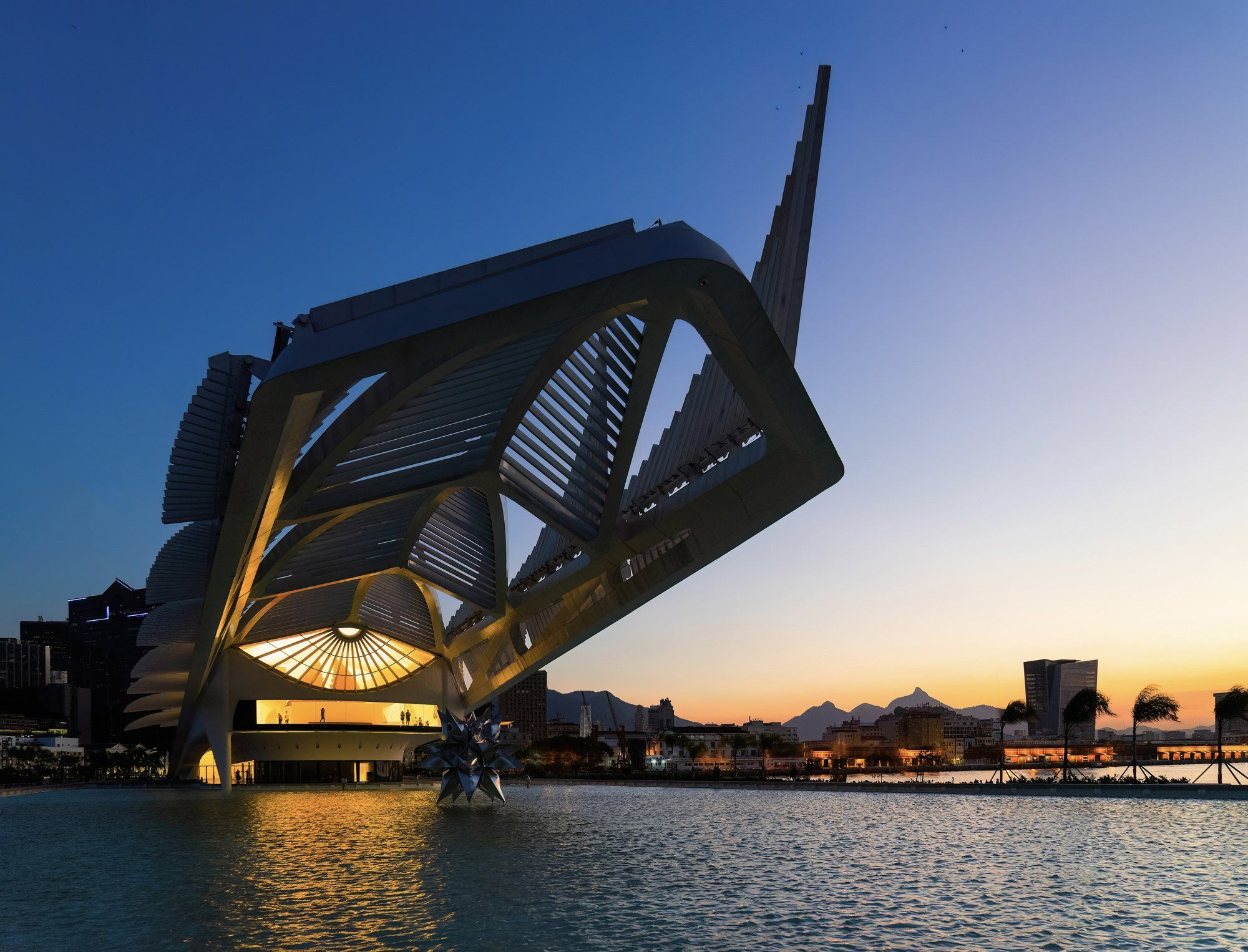 Kids Downtown and Lapa Museum of Tomorrow A science museum about the future of the planet, in a Santiago Calatrava building on the shores of Guanabara Bay. See details
 -
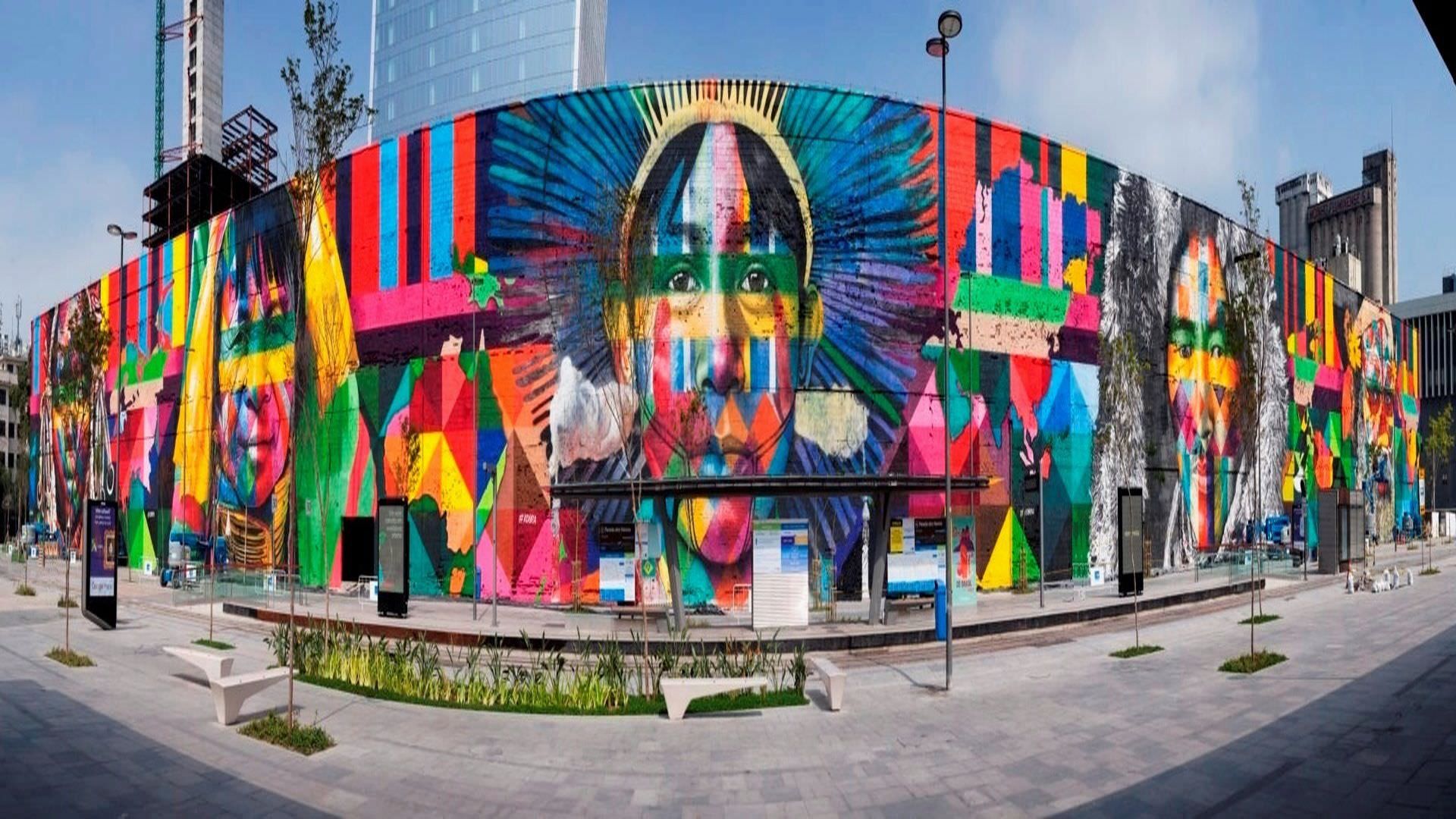 Free accessKids Downtown and Lapa Olympic Boulevard and Praça Mauá The bayside promenade born from the port's renewal, with the Etnias mural and Praça Mauá. See details