- Type
- Landmark and viewpoint
- Area
- North Zone
- Free entry
- Yes
- Requires a hike or uphill walk
- No
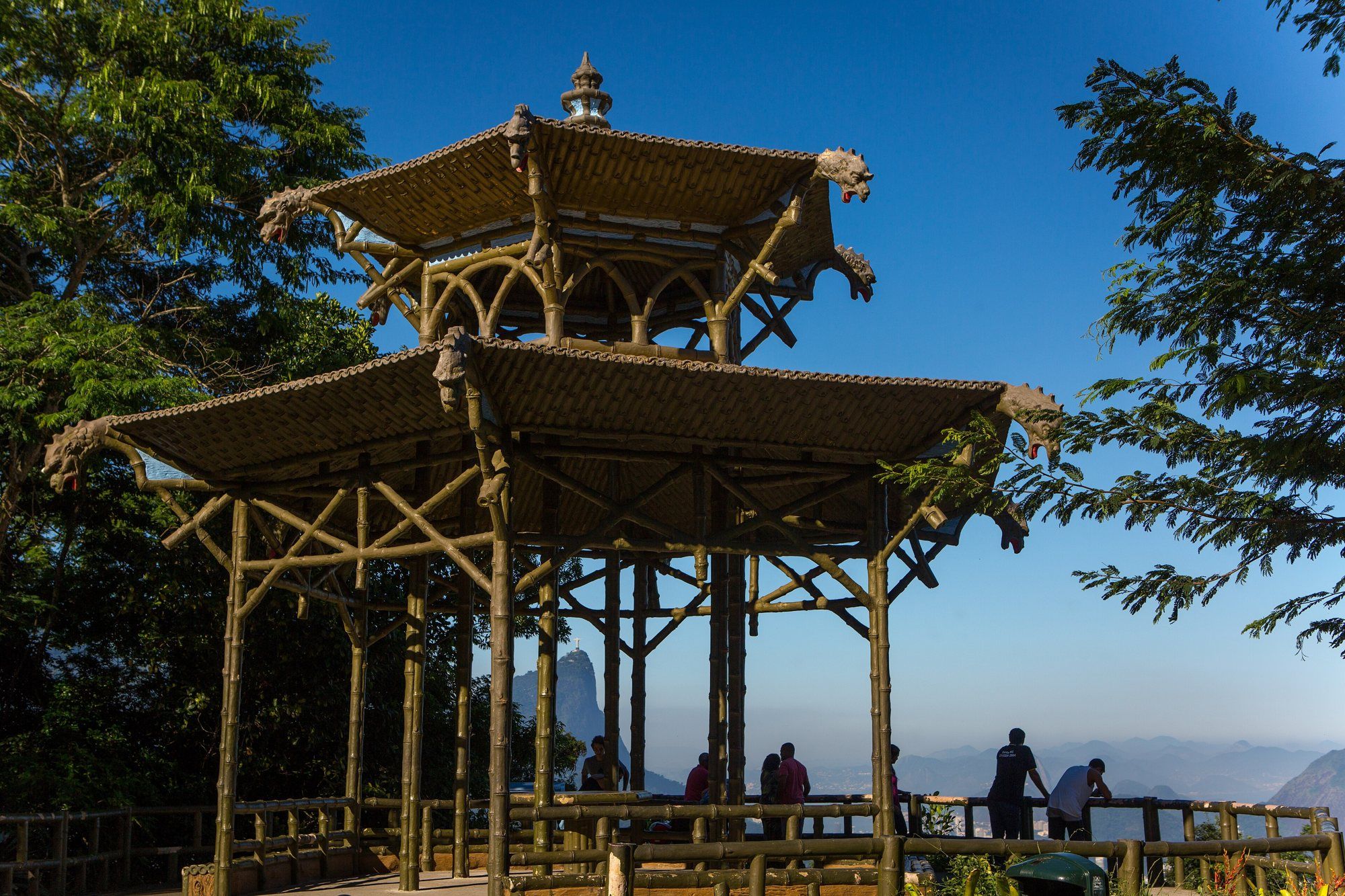
Vista Chinesa (Chinese View) is a viewpoint with a Chinese-style pavilion high up in the Alto da Boa Vista neighborhood, inside the Tijuca Forest, in Tijuca National Park. From the parapet, the view takes in Rodrigo de Freitas Lagoon, the South Zone, the sea and Sugarloaf in the distance.
The 1903 pavilion
Mayor Pereira Passos had the pavilion built in 1903, to a design by architect Luis Rei. The structure is made of mortar molded to look like bamboo, according to Wikipedia. Further up the same road is the Mesa do Imperador (Emperor’s Table), a resting spot used on the imperial family’s outings.
The story of tea
The name recalls a little-known chapter of Rio’s history. In 1812, on the orders of King João VI, about a hundred Chinese were brought from Macau to test tea growing in Brazil. They settled on the slopes where the back of the Botanical Garden is today, according to Wikipedia. The tea did not thrive, and some of these workers were employed in building the road that links Jardim Botânico to Alto da Boa Vista.
The view
Vista Chinesa faces the South Zone. On a clear day you can see the Lagoa, Ipanema and Leblon, the sea and, on the horizon, Sugarloaf. It is a great complement if you have already seen the city from Christ the Redeemer and Sugarloaf and want a different angle, with the forest in the foreground.
Getting there and safety
The viewpoint is on the road that crosses the Tijuca Forest. The road has traffic restrictions set by the park. Go by car, taxi or ride-hailing app and arrange your return in advance, because phone signal is weak. Go during the day and do not leave anything visible in the car.
Compare it with other high points in Rio viewpoints and fit the visit into the 5-day itinerary.
Practical tips
- Pick a clear day: with low cloud, the view disappears.
- Go by car, taxi or ride-hailing app and arrange your return: phone signal is weak.
- Respect the road traffic restrictions set by the park.
Frequently asked questions
Why is the viewpoint called Vista Chinesa?
Because of the Chinese farmers brought from Macau in the early 19th century to grow tea in Rio. The Chinese-style pavilion was built in 1903, under Mayor Pereira Passos, according to Wikipedia.
Is Vista Chinesa free?
Yes. The viewpoint is on the road through the Tijuca Forest and charges no entry.
Can you walk to Vista Chinesa?
The most common access is by car, taxi or ride-hailing app along the Tijuca Forest road. Cyclists and walkers must follow Tijuca National Park's rules and opening hours.
Pair it with
-
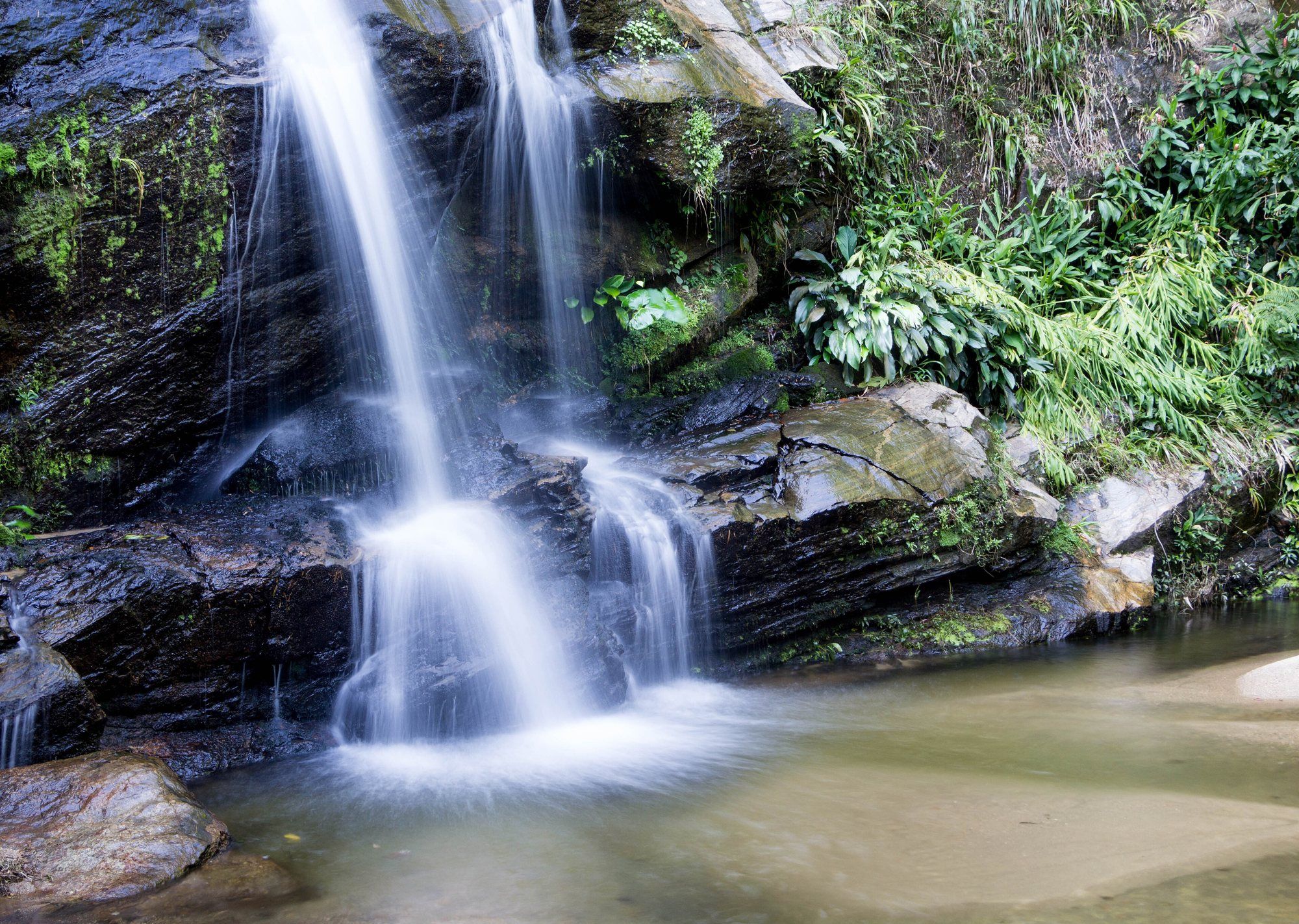 Kids North Zone Tijuca National Park The forest Emperor Pedro II ordered protected and replanted in 1861. Today it is home to Christ the Redeemer, waterfalls, viewpoints and the city's main trails. See details
 -
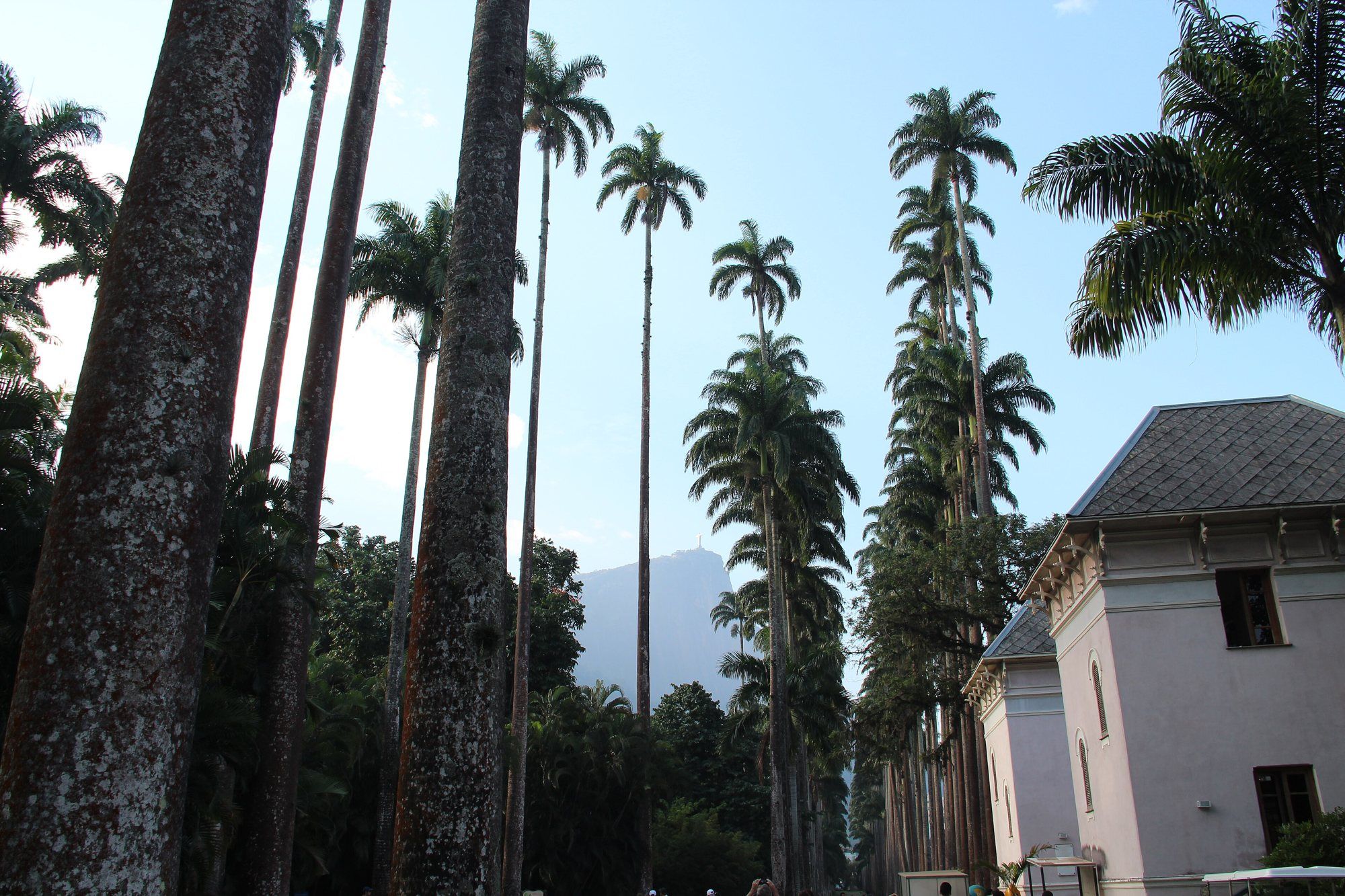 Kids South Zone Rio de Janeiro Botanical Garden A research institute open to the public, with an avenue of imperial palms, greenhouses and the Tijuca Forest as a backdrop. See details
 -
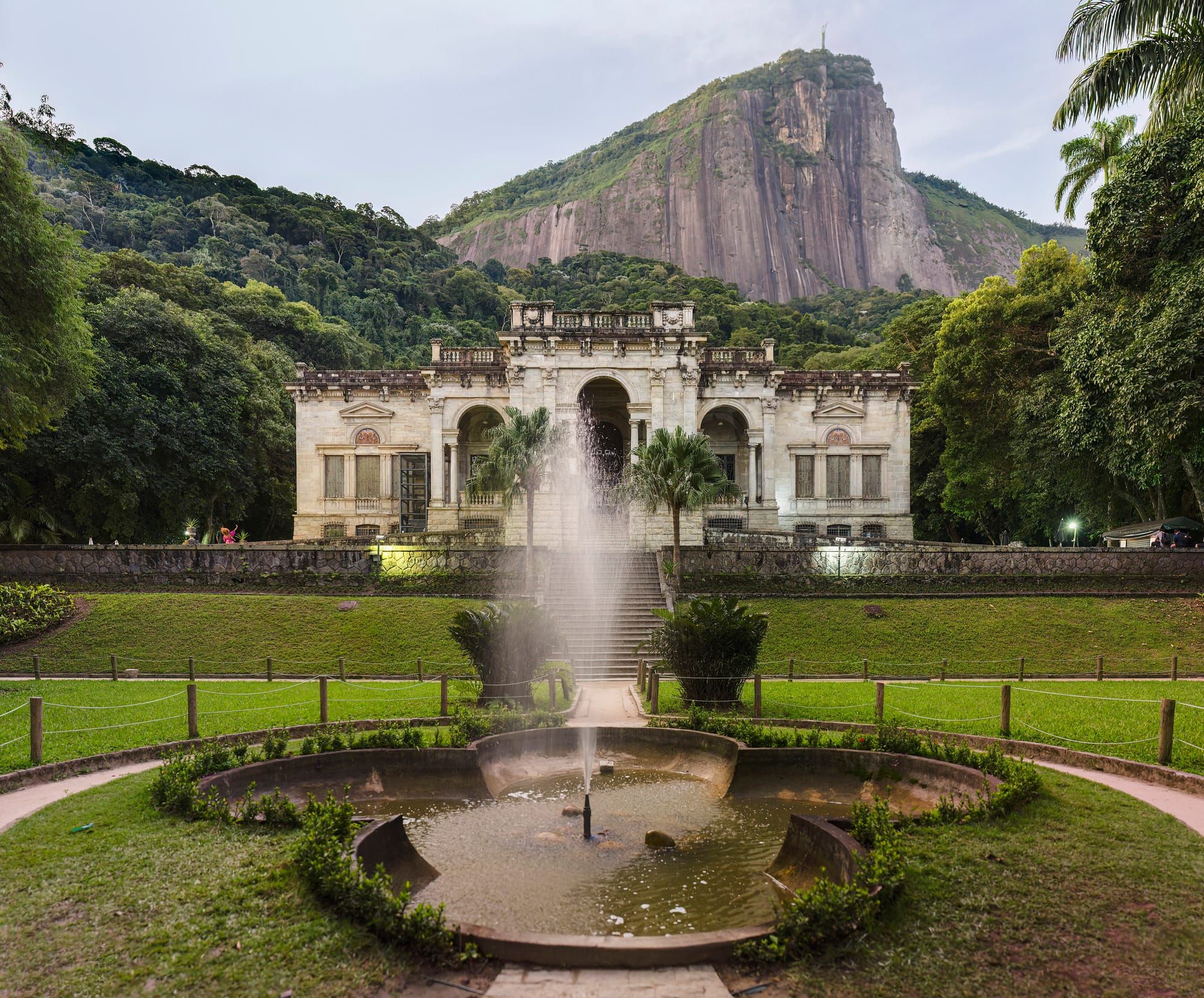 Kids South Zone Parque Lage A mansion with a courtyard and pool at the foot of Corcovado, surrounded by forest, gardens and the start of Rio's most famous trail. See details