- Type
- Nature
- Area
- South Zone
- Free entry
- Yes
- Good for kids
- Yes
- Requires a hike or uphill walk
- No
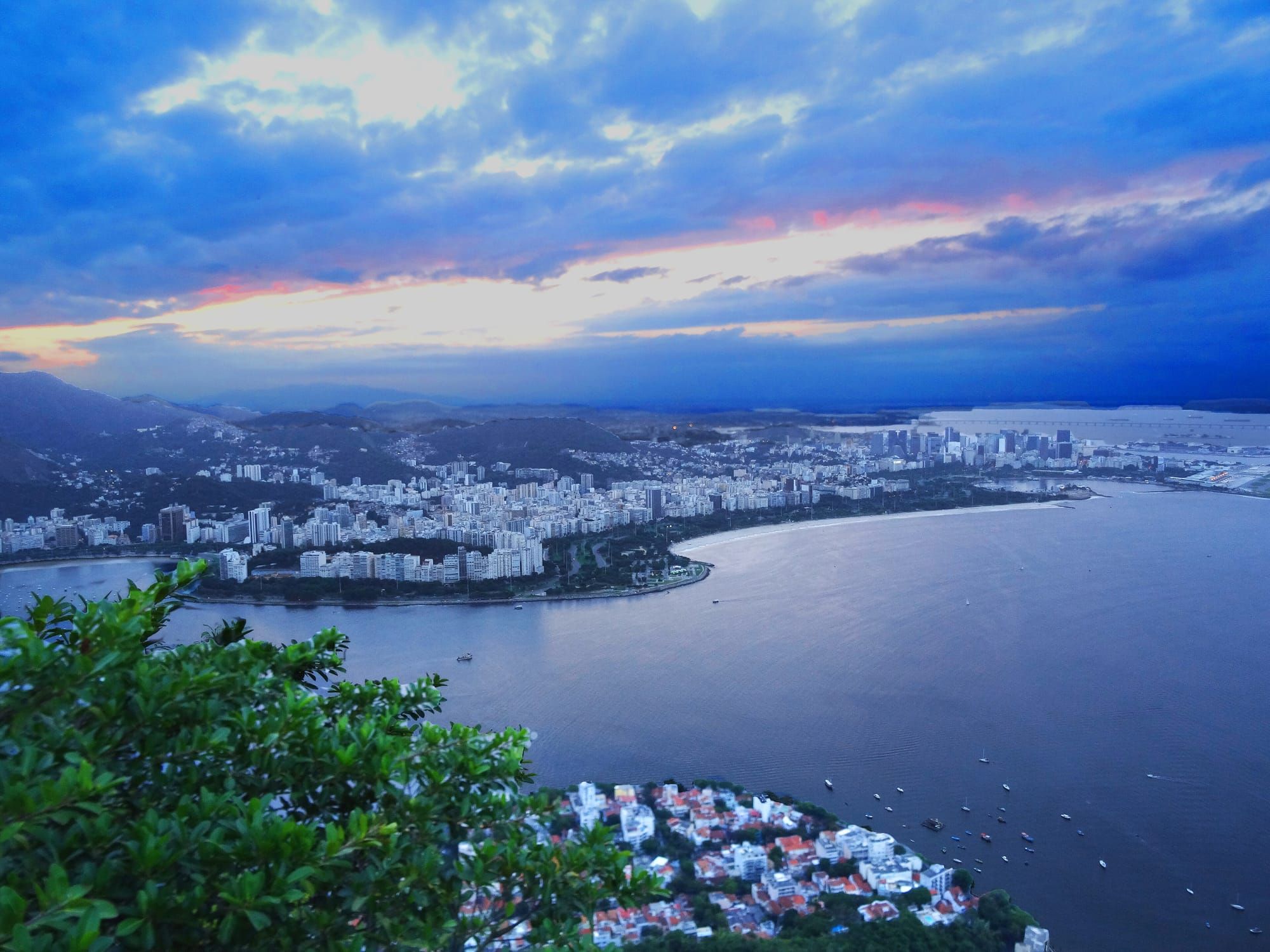
The Aterro do Flamengo, officially Parque Brigadeiro Eduardo Gomes and known in English as Flamengo Park, is a large park on the shores of Guanabara Bay. It stretches from Santos Dumont Airport, downtown, to the start of Botafogo Beach, and opened in its current form on October 17, 1965, covering 1.2 million square meters, according to Wikipedia.
A park built on the sea
The name (“aterro” means landfill) says it all: the park sits on land reclaimed from the bay. In the 1950s, rock from the demolition of Morro de Santo Antônio formed a strip in the sea that was later filled in. The original plan was mainly for expressways between downtown and the South Zone. The idea of creating a large park alongside the roads is attributed to landscape designer Carlota de Macedo Soares, and architect Affonso Eduardo Reidy played a key role in the plan, according to Wikipedia.
Burle Marx’s landscaping
The landscape design is by Roberto Burle Marx, who also redesigned the Copacabana promenade in the 1970s. The park was designed for leisure and sport, with football pitches, tennis, volleyball and basketball courts and model-aircraft runways, according to Wikipedia.
What there is in the park
According to Wikipedia, the park has two areas:
- Glória section: the Museum of Modern Art (MAM), the Monument to the Dead of World War II, the Marina da Glória and the monument to Estácio de Sá.
- Flamengo section: sports courts, the Carmen Miranda Museum and Flamengo Beach.
The park has a cycle path and paths for walking and running, with views of Sugarloaf Mountain and of Niterói, across the bay.
Flamengo Beach and Botafogo Beach
Flamengo Beach and, at the end of the park, Botafogo Beach lie inside the bay, with calm water and views of Sugarloaf. They are more popular for walks and photos than for swimming. Before going into the water, check the water quality reports published by the environmental agencies.
Safety
The park is busy during the day and at weekends. At night, some stretches empty out: move around in daylight, along busy paths, and carry only what you need.
Getting there and what to combine
The metro has stations at Flamengo and Glória, according to the MetrôRio network. Follow the waterfront to Urca for late afternoon, or toward downtown, near the National Museum of Fine Arts. See more in getting around Rio and in Carioca Landscapes, which includes the bay shore.
Practical tips
- On Sundays and public holidays, the roads close to cars and become a leisure area.
- Bring water and sunscreen: some stretches have little shade.
- Late afternoon, with Sugarloaf against the sky, is the most beautiful time.
Frequently asked questions
Who designed Flamengo Park?
The landscaping is by Roberto Burle Marx. The idea of a large park alongside the roads is attributed to landscape designer Carlota de Macedo Soares, and architect Affonso Eduardo Reidy played a central role in the urban plan, according to Wikipedia.
When is Flamengo Park closed to cars?
According to Wikipedia, the roads are closed to traffic on Sundays and public holidays, from 7 a.m. to 6 p.m., for the use of park visitors.
Can you swim at Flamengo Beach?
Flamengo Beach lies inside Guanabara Bay. Before going into the sea, check the water quality reports published by the environmental agencies and the lifeguards' advice.
Pair it with
- Free accessKids South Zone Urca and the Mureta da Urca The quiet neighborhood where the city was born, with old houses, moored boats and the low wall by the bay for late afternoons. See details
-
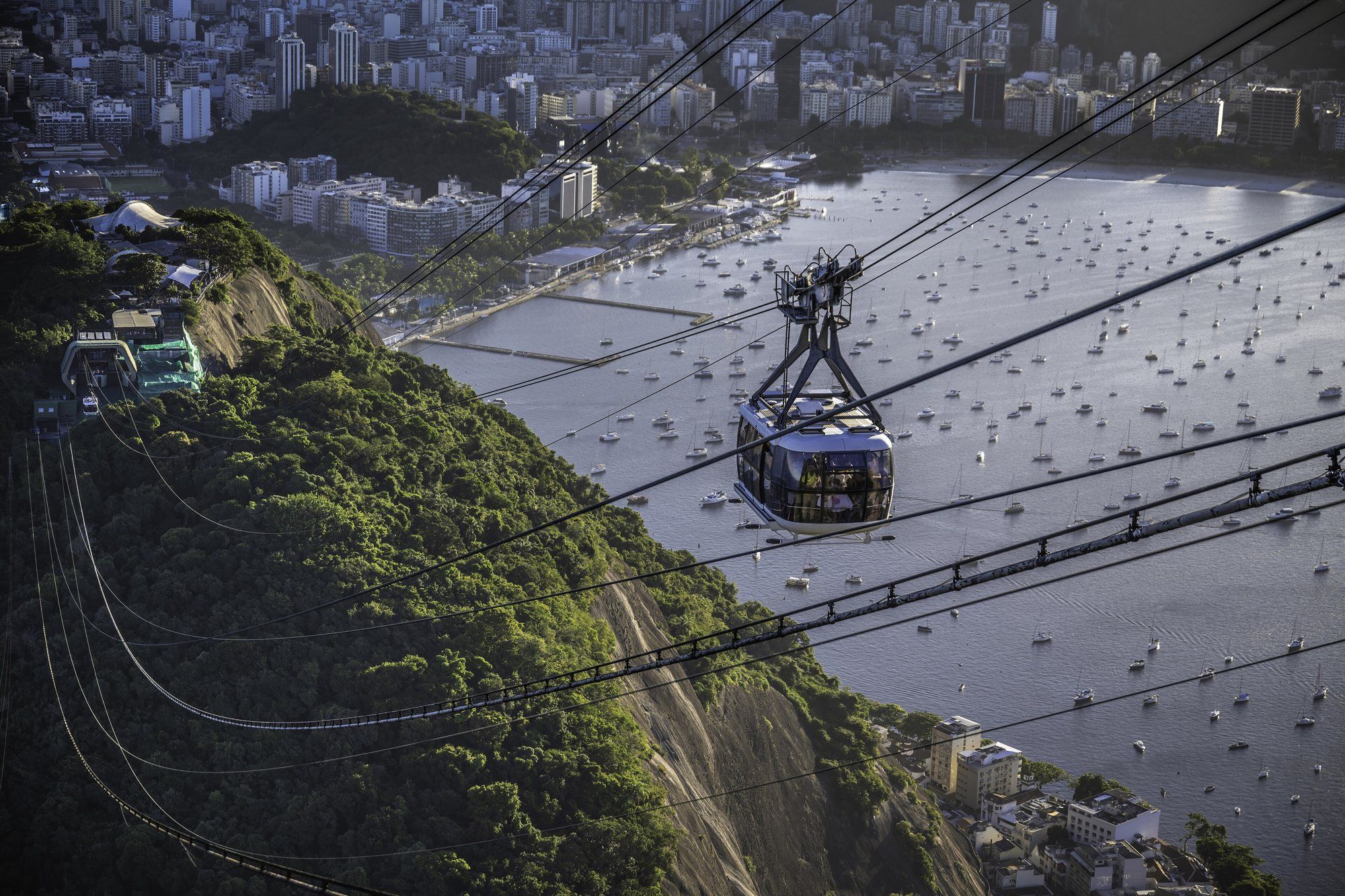 PaidKids South Zone Sugarloaf Mountain and its cable car The cable car climbs from Praia Vermelha to Urca Hill and on to Sugarloaf, 396 meters above the bay. The sunset from the top is the most sought-after in town. See details
 -
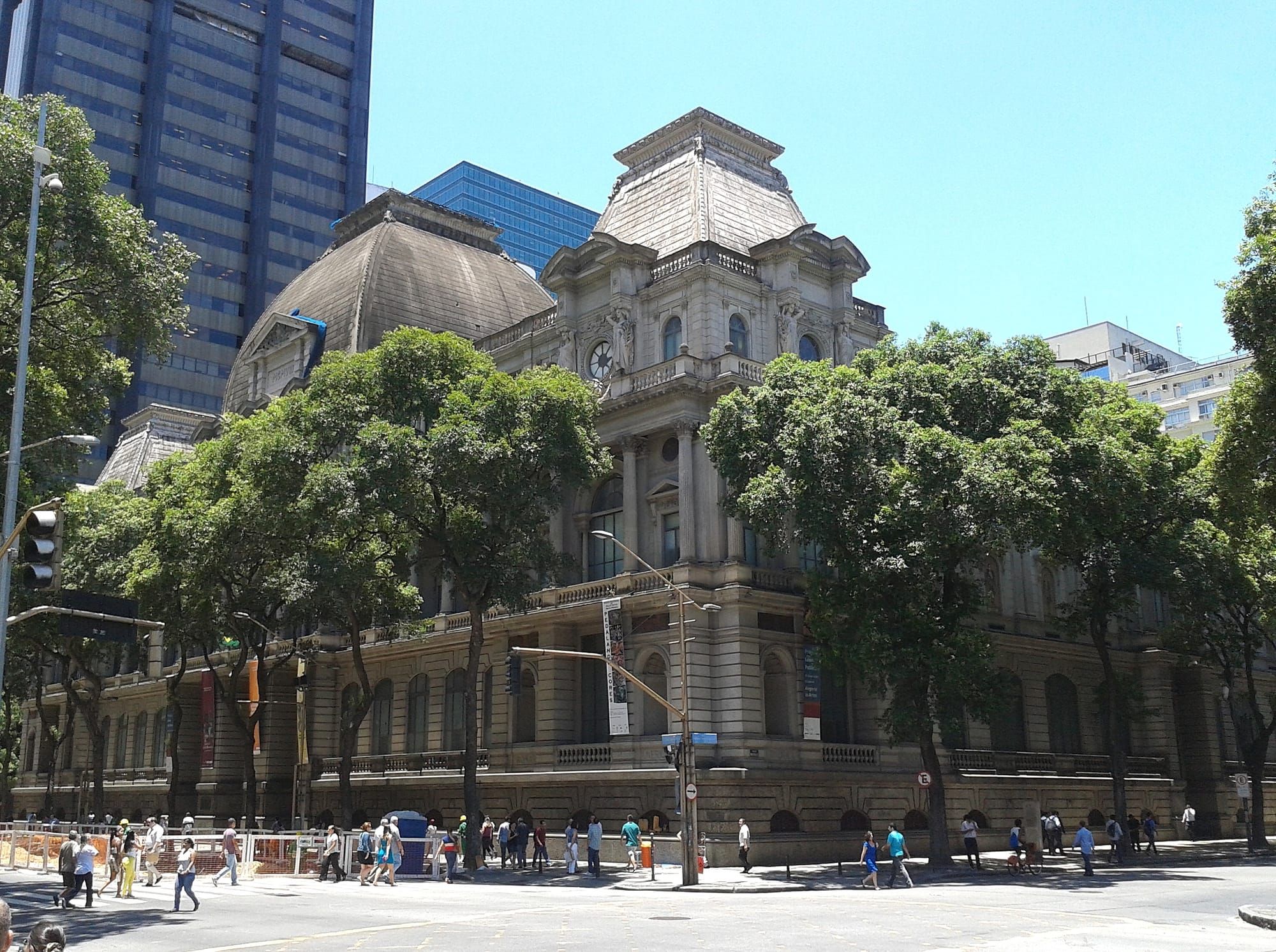 Downtown and Lapa National Museum of Fine Arts About 15,000 pieces, with the largest collection of 19th-century Brazilian art, in an eclectic palace on Avenida Rio Branco. See details